
Wildlife Pathology and Necropsy Training Course
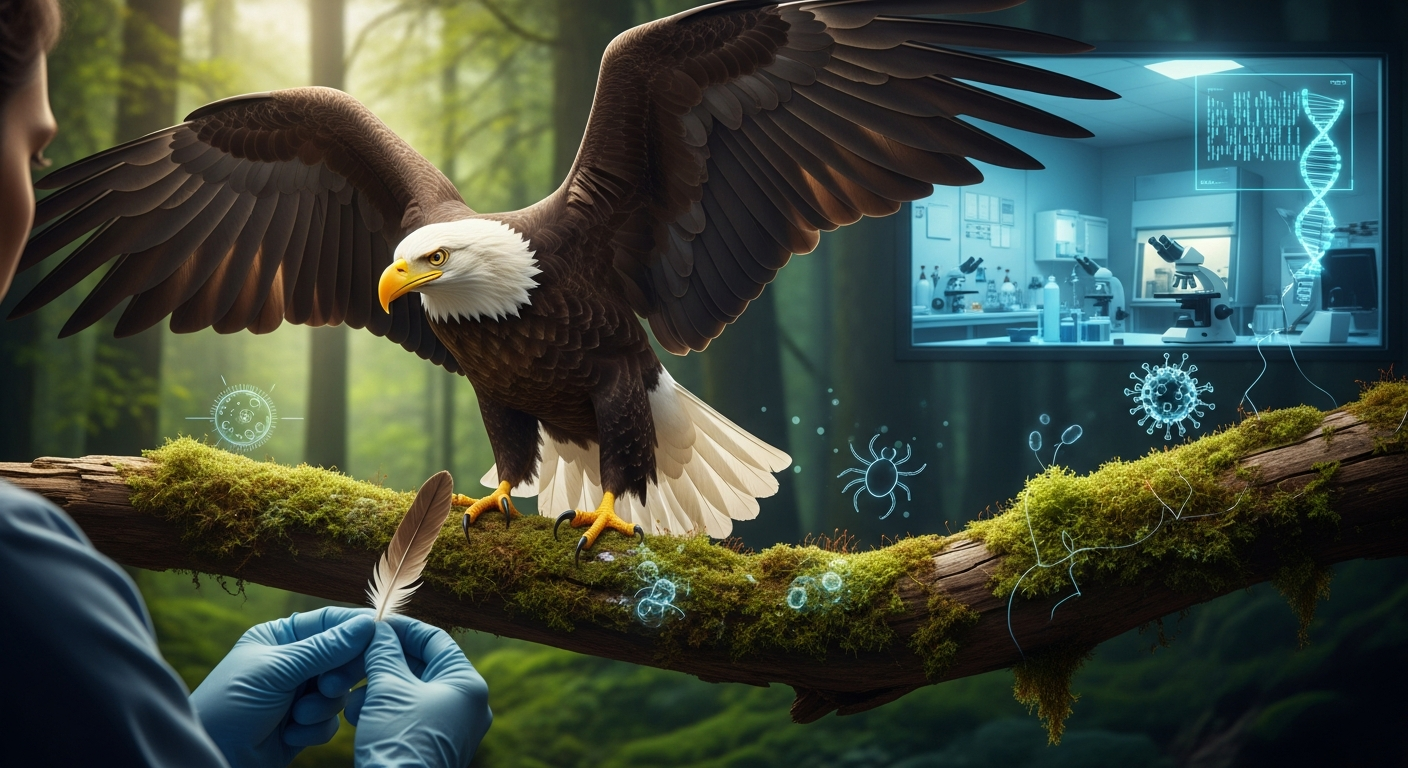
Course Title: Wildlife Pathology and Necropsy Training Course
Executive Summary
This comprehensive two-week intensive course on Wildlife Pathology and Necropsy equips veterinary professionals, biologists, and conservation officers with critical skills in diagnosing wildlife diseases and conducting systematic post-mortem examinations. As emerging infectious diseases and anthropogenic threats increasingly impact global biodiversity, the ability to correctly identify cause of death is paramount for conservation management and public health. Participants will master standard operating procedures for field and laboratory necropsies, emphasizing biosafety, proper sample collection, and forensic evidence preservation. The curriculum bridges the gap between theoretical pathology and practical application, utilizing wet labs and case-based learning to handle diverse species ranging from mammals to avifauna. By integrating One Health principles, the training ensures that attendees can effectively contribute to disease surveillance networks. Graduates will leave with the technical competence to lead mortality investigations, manage biological risks, and generate high-quality data essential for informing wildlife policy and epidemiological tracking.
Introduction
The health of wildlife populations is a critical indicator of ecosystem stability, yet it is increasingly threatened by habitat fragmentation, pollution, and emerging zoonotic pathogens. To mitigate these risks, conservationists and veterinary professionals must possess the specialized skills required to investigate wildlife mortality events accurately. The Wildlife Pathology and Necropsy Training Course is designed to transform field observations into diagnostic data, providing a robust framework for investigating individual animal deaths and mass mortality events.This two-week program moves beyond basic anatomy to explore the complexities of pathological processes in non-domestic species. Recognizing that wildlife necropsies often occur under difficult field conditions, the course emphasizes adaptable techniques that maintain scientific rigor and biosafety standards. Participants will explore the full diagnostic chain—from the initial carcass assessment and biosecurity setup to the meticulous dissection, lesion interpretation, and preservation of samples for histology, toxicology, and microbiology.The curriculum is rooted in global best practices and forensic standards, addressing the legal implications of wildlife crime and the public health implications of zoonoses. through a blend of expert-led lectures, hands-on wet labs, and interactive case reviews, participants will learn to differentiate between autolytic changes and true pathology, identify signs of poaching or poisoning, and manage the logistical challenges of cold chains and sample transport. By the end of this course, professionals will be empowered to act as the first line of defense in disease detection, ensuring that wildlife health data is accurate, actionable, and integrated into broader conservation strategies.
Course Outcomes
- Perform systematic necropsies on various wildlife taxa maintaining high biosafety standards.
- Differentiate between normal anatomy, post-mortem autolysis, and pathological lesions.
- Collect, preserve, and transport biological samples suitable for laboratory analysis.
- Identify gross pathology associated with common infectious and non-infectious diseases.
- Apply forensic protocols to preserve evidence in cases of suspected wildlife crime.
- Write comprehensive necropsy reports that support epidemiological surveillance.
- Implement One Health principles in the investigation of zoonotic disease outbreaks.
Training Methodologies
- Expert-led theoretical lectures and slide presentations.
- Hands-on wet laboratory necropsy sessions.
- Interactive case study analysis of mortality events.
- Demonstrations of Personal Protective Equipment (PPE) usage.
- Histopathology slide viewing and interpretation workshops.
- Field simulation exercises for carcass recovery and site management.
- Group discussions and peer-review of draft necropsy reports.
Benefits to Participants
- Mastery of specialized dissection and sampling techniques.
- Enhanced diagnostic confidence in identifying disease etiology.
- Certification in advanced wildlife necropsy and biosafety procedures.
- Improved ability to interpret gross pathological changes.
- Access to a network of wildlife health professionals and pathologists.
- Practical knowledge of forensic chain-of-custody requirements.
- Increased capacity to contribute to scientific research and publications.
Benefits to Sending Organization
- Improved accuracy in institutional disease surveillance and data collection.
- Enhanced staff safety through rigorous biosafety and risk management training.
- Strengthened capacity for in-house diagnosis and early warning of outbreaks.
- Standardization of necropsy protocols across the organization.
- Increased credibility in legal proceedings regarding wildlife crime.
- Better resource management through targeted sample submission.
- Contribution to national and international One Health reporting obligations.
Target Participants
- Wildlife Veterinarians and Clinical Practitioners.
- Veterinary Pathologists and Trainees.
- Wildlife Biologists and Ecologists.
- Senior Park Rangers and Wardens.
- Veterinary Laboratory Technologists.
- Conservation Researchers and Scientists.
- Government Wildlife Disease Control Officers.
WEEK 1: Foundations of Wildlife Pathology, Biosafety, and Necropsy Techniques
Module 1: Biosafety, Risk Assessment, and Equipment
- Principles of biosafety levels in wildlife investigations.
- Proper selection and use of Personal Protective Equipment (PPE).
- Site selection and setup for field vs. lab necropsies.
- Zoonotic disease risk assessment and mitigation.
- Essential necropsy instruments and field kit preparation.
- Carcass disposal and site decontamination protocols.
- Legal and ethical considerations in handling wildlife remains.
Module 2: Comparative Anatomy and Post-Mortem Changes
- Comparative gross anatomy of mammals, birds, and reptiles.
- Evaluating body condition scores in different species.
- Distinguishing autolysis and scavenging from ante-mortem lesions.
- Rigor mortis, algor mortis, and livor mortis timelines.
- Age estimation techniques using dental and skeletal markers.
- Identifying normal anatomical variations by species.
- Initial external examination and carcass triage.
Module 3: The Systematic Necropsy Procedure
- Standard incision techniques and reflecting skin/muscle.
- Opening body cavities: Thoracic, abdominal, and pelvic approaches.
- In-situ evaluation of organs before removal.
- The ‘pluck’ technique vs. organ-by-organ dissection.
- Examination of the head, brain removal, and spinal cord access.
- Special techniques for avian and reptilian examinations.
- Photographic documentation standards for pathology.
Module 4: Sample Collection and Preservation
- Selection of tissues for histopathology (formalin ratios).
- Sterile techniques for microbiology and virology sampling.
- Collecting fluids: Blood, urine, and effusions.
- Preservation methods: Freezing, ethanol, RNAlater, and dry swabs.
- Parasitology sampling: Ectoparasites and endoparasites.
- Labeling systems and inventory management.
- Packaging and shipping (IATA infectious substance regulations).
Module 5: General Pathology and Lesion Interpretation
- mechanisms of cell injury and necrosis.
- Identifying inflammation: Acute vs. Chronic signs.
- Circulatory disturbances: Hemorrhage, congestion, edema, ischemia.
- Disorders of growth: Hypertrophy, atrophy, and neoplasia.
- Pigmentation and deposits (jaundice, melanosis, calcification).
- Describing lesions: Location, distribution, size, shape, color, consistency.
- Wet Lab: Practical review of gross organs and lesion description.
WEEK 2: Advanced Diagnostics, Forensic Pathology, and Disease Systems
Module 6: System-Specific Pathology Review
- Respiratory system: Pneumonia patterns and upper airway disease.
- Gastrointestinal tract: Enteritis, foreign bodies, and obstructions.
- Hepatobiliary and renal systems: Toxicity and metabolic failure.
- Cardiovascular system: Cardiomyopathy and parasitic damage.
- Lymphoreticular system: Spleen and lymph node evaluation.
- Reproductive and endocrine system abnormalities.
- Musculoskeletal and integumentary system trauma.
Module 7: Major Infectious Diseases of Wildlife
- Bacterial diseases: Anthrax, Tuberculosis, Brucellosis, Pasteurellosis.
- Viral diseases: Rabies, Distemper, Foot and Mouth Disease, Avian Influenza.
- Fungal infections and their gross presentations.
- Prion diseases: Chronic Wasting Disease basics.
- Recognizing pathognomonic lesions of reportable diseases.
- Zoonotic implications of specific infectious agents.
- Case studies: Outbreak investigation and management.
Module 8: Toxicology and Parasitology
- Gross pathology of common poisonings (pesticides, heavy metals).
- Specific sampling for toxicology: Stomach contents, liver, kidney, fat.
- Snake bite and envenomation pathology.
- Helminth identification and burden assessment.
- Protozoal diseases affecting tissue (Sarcocystis, Babesia, etc.).
- Botulism and cyanobacterial toxicosis.
- Chain of custody for toxicology samples in legal cases.
Module 9: Forensic Necropsy and Wildlife Crime
- Differentiating natural death from anthropogenic trauma.
- Ballistics: Entrance/exit wounds and bullet recovery.
- Pathology of snares, traps, and electrocution.
- Estimating time of death (Post-mortem interval).
- Legal evidence collection, handling, and storage.
- Photography for court and legal reporting.
- Role of the pathologist as an expert witness.
Module 10: Data Management, Reporting, and Action
- Synthesizing gross findings into a morphological diagnosis.
- Writing the final necropsy report: Structure and clarity.
- Digital data management and bio-banking databases.
- Integration of lab results (histology/PCR) into final reports.
- Mapping and GIS for spatial epidemiology.
- Course review and final competency assessment.
- Capstone: Presentation of a comprehensive case investigation.
Action Plan for Implementation
- Conduct a comprehensive audit of current necropsy facilities and equipment.
- Draft and formalize Standard Operating Procedures (SOPs) for field necropsies.
- Establish a sustainable supply chain for sampling consumables and PPE.
- Implement a digital database for archiving necropsy reports and images.
- Create a ‘First Response’ kit for rapid deployment to mortality events.
- Schedule quarterly refresher training sessions for junior field staff.
- Establish formal collaboration channels with reference laboratories for sample analysis.
Course Features
- Lecture 0
- Quiz 0
- Skill level All levels
- Students 0
- Certificate No
- Assessments Self

You May Like

Advanced Population Ecology and Demographics
Course Title: Advanced Population Ecology and Demographics Executive Summary This intensive two-week course on Advanced Population Ecology and Demographics equips participants with advanced quantitative and...

Applied Conservation Genetics for Species Management
Course Title: Applied Conservation Genetics for Species Management Executive Summary This two-week intensive course on Applied Conservation Genetics for Species Management bridges the gap between...

Threatened Species Recovery and Reintroduction Programs
Course Title: Threatened Species Recovery and Reintroduction Programs Executive Summary This intensive two-week course provides a comprehensive framework for designing, implementing, and managing recovery plans...

Landscape Ecology and Connectivity Science Training Course
Course Title: Landscape Ecology and Connectivity Science Training Course Executive Summary This intensive two-week executive course on Landscape Ecology and Connectivity Science is designed to...

Biodiversity Hotspot Conservation and Management
Course Title: Biodiversity Hotspot Conservation and Management Executive Summary This intensive two-week course on Biodiversity Hotspot Conservation and Management equips participants with the knowledge and...




