
Advanced Wildlife Capture and Chemical Immobilization Techniques
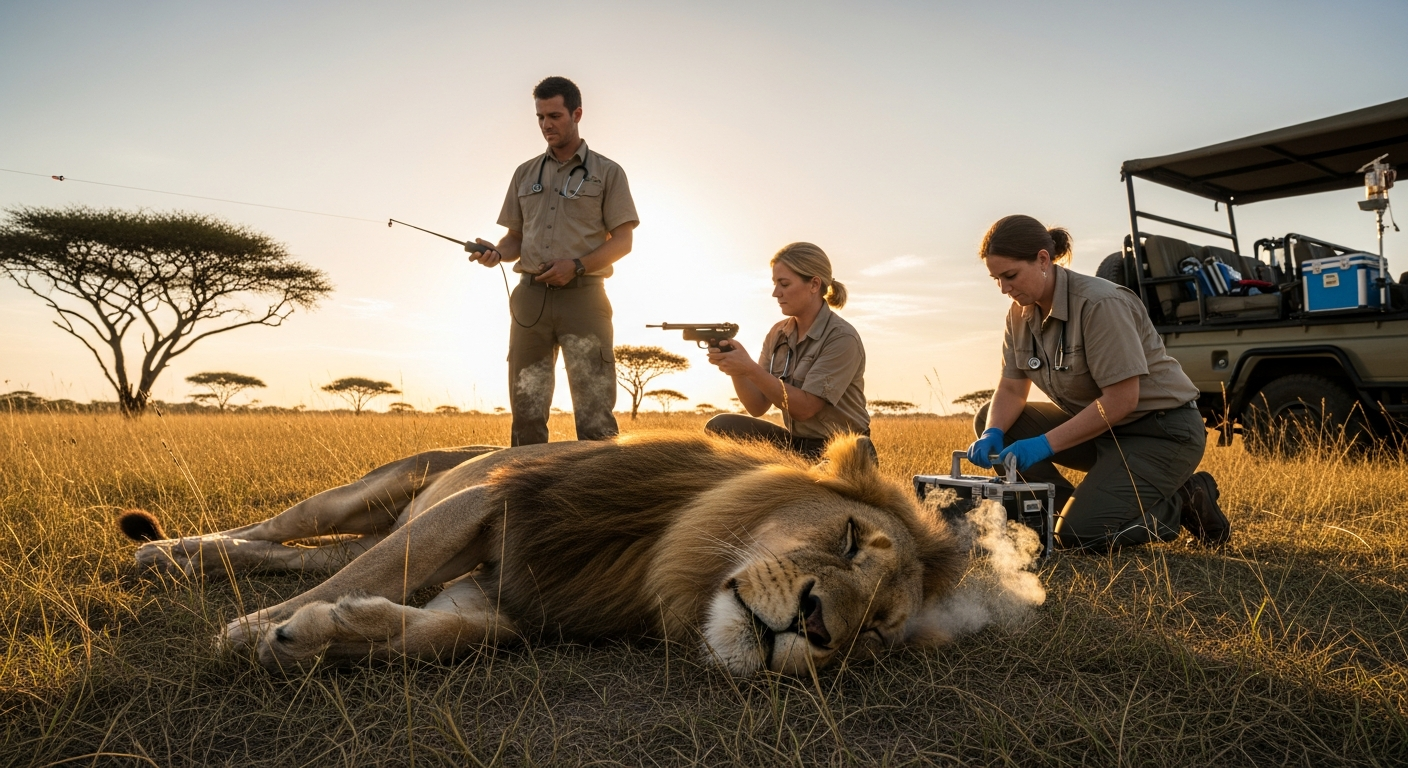
Course Title: Advanced Wildlife Capture and Chemical Immobilization Techniques
Executive Summary
This intensive two-week course provides advanced training in wildlife capture and chemical immobilization techniques, emphasizing safety, ethics, and species-specific protocols. Participants will gain expertise in remote drug delivery systems, drug selection, anesthesia monitoring, and post-capture handling. The course covers a range of wildlife species and challenging capture scenarios. Through hands-on practical sessions and expert lectures, participants will learn to minimize stress and risks associated with capture procedures. Emphasis is placed on understanding the physiological effects of immobilizing drugs and managing potential complications. This course will equip wildlife professionals with the skills and knowledge necessary to safely and effectively capture and immobilize wildlife for research, conservation, and management purposes, improving animal welfare and data quality.
Introduction
Effective and humane wildlife capture and chemical immobilization are essential skills for wildlife professionals involved in research, conservation, and management. These techniques are critical for a variety of applications, including disease monitoring, population management, relocation, and veterinary care. However, capture and immobilization procedures can be stressful and potentially dangerous for animals if not performed correctly. This advanced course provides in-depth training in the principles and practices of safe and effective wildlife capture and chemical immobilization, building upon foundational knowledge and experience. The course combines theoretical instruction with extensive hands-on practice to ensure participants develop the necessary skills to minimize risks and maximize animal welfare. By emphasizing ethical considerations, species-specific protocols, and advanced monitoring techniques, this course aims to elevate the standards of wildlife capture and immobilization practices, contributing to improved animal welfare and conservation outcomes.
Course Outcomes
- Master advanced techniques for wildlife capture and chemical immobilization.
- Apply species-specific protocols for safe and effective drug delivery.
- Demonstrate proficiency in using remote drug delivery systems.
- Understand the physiological effects of immobilizing drugs on different wildlife species.
- Implement best practices for anesthesia monitoring and post-capture handling.
- Minimize stress and risks associated with capture and immobilization procedures.
- Adhere to ethical guidelines and regulations for wildlife capture.
Training Methodologies
- Expert lectures and presentations
- Hands-on practical sessions with live animals (where ethically permissible and safe)
- Simulation exercises with mannequins and training tools
- Case study analysis of real-world capture scenarios
- Group discussions and problem-solving activities
- Demonstrations of advanced equipment and techniques
- Field exercises in controlled environments
Benefits to Participants
- Enhanced skills and knowledge in advanced wildlife capture techniques.
- Improved ability to safely and effectively immobilize a variety of wildlife species.
- Increased confidence in using remote drug delivery systems.
- Better understanding of the physiological effects of immobilizing drugs.
- Enhanced ability to monitor anesthesia and manage post-capture complications.
- Improved animal welfare practices during capture and immobilization procedures.
- Career advancement opportunities in wildlife research, conservation, and management.
Benefits to Sending Organization
- Improved safety and effectiveness of wildlife capture operations.
- Enhanced data quality and reliability in wildlife research projects.
- Reduced stress and risk to animals during capture procedures.
- Increased staff competence and professionalism.
- Improved compliance with ethical guidelines and regulations.
- Enhanced organizational reputation and credibility.
- Cost savings through reduced injury and mortality rates during capture.
Target Participants
- Wildlife veterinarians
- Wildlife biologists
- Wildlife researchers
- Conservation officers
- Zoo and aquarium staff
- Animal control officers
- Wildlife managers
Week 1: Foundations and Advanced Techniques
Module 1: Ethical Considerations and Regulations
- Ethical principles in wildlife capture and immobilization.
- Relevant laws and regulations governing wildlife capture.
- IACUC review process and animal welfare considerations.
- Minimizing stress and pain during capture procedures.
- Informed consent and stakeholder engagement.
- Reporting and documentation requirements.
- Case studies of ethical dilemmas in wildlife capture.
Module 2: Advanced Pharmacology of Immobilizing Drugs
- Pharmacokinetics and pharmacodynamics of commonly used drugs.
- Species-specific drug dosages and considerations.
- Drug combinations and synergistic effects.
- Reversal agents and their mechanisms of action.
- Factors affecting drug efficacy and safety.
- Managing drug interactions and contraindications.
- Emerging trends in wildlife immobilization pharmacology.
Module 3: Remote Drug Delivery Systems
- Types of remote drug delivery systems (dart guns, blowpipes, etc.).
- Proper handling and maintenance of equipment.
- Dart selection and loading techniques.
- Ballistics and accuracy considerations.
- Safety protocols for using remote drug delivery systems.
- Troubleshooting common equipment malfunctions.
- Practical exercises with different types of delivery systems.
Module 4: Anesthesia Monitoring and Physiological Effects
- Physiological parameters to monitor during anesthesia (heart rate, respiration, temperature, etc.).
- Methods for monitoring anesthesia (ECG, pulse oximetry, capnography).
- Recognizing and managing anesthetic complications (hypothermia, respiratory depression, etc.).
- Fluid therapy and supportive care.
- Species-specific physiological considerations.
- Interpretation of monitoring data.
- Hands-on practice with monitoring equipment.
Module 5: Capture Techniques for Different Wildlife Species
- Species-specific capture strategies (e.g., ungulates, carnivores, birds).
- Considerations for age, sex, and reproductive status.
- Habitat and behavioral factors influencing capture success.
- Use of attractants and lures.
- Special considerations for capturing endangered species.
- Minimizing disturbance to non-target species.
- Video demonstrations of capture techniques for various species.
Week 2: Practical Applications and Management
Module 6: Post-Capture Handling and Care
- Safe handling techniques for immobilized animals.
- Proper positioning and restraint.
- Monitoring and managing body temperature.
- Protecting animals from injury and predation.
- Providing supportive care (hydration, nutrition).
- Reversal procedures and recovery monitoring.
- Documentation of post-capture care.
Module 7: Capture Planning and Logistics
- Developing a comprehensive capture plan.
- Assembling a qualified capture team.
- Securing necessary permits and approvals.
- Selecting appropriate capture equipment and drugs.
- Establishing communication protocols.
- Addressing potential safety hazards.
- Contingency planning for unexpected events.
Module 8: Wildlife Translocation and Relocation
- Principles of wildlife translocation.
- Selecting suitable release sites.
- Pre-release health assessments.
- Acclimation strategies.
- Post-release monitoring.
- Minimizing stress during transport.
- Considerations for disease transmission.
Module 9: Chemical Immobilization in Urban and Human-Wildlife Conflict Scenarios
- Safe capture protocols in urban environments.
- Considerations for public safety.
- Effective communication with law enforcement and the public.
- Managing human-wildlife conflict situations.
- Dealing with injured or orphaned wildlife.
- Ethical considerations in urban wildlife management.
- Case studies of urban wildlife capture and relocation.
Module 10: Simulation and Assessment
- Comprehensive simulation exercise involving all aspects of wildlife capture and immobilization.
- Participants will work in teams to develop and execute a capture plan.
- Scenario will involve a specific wildlife species and capture objective.
- Expert instructors will provide guidance and feedback.
- Performance will be assessed based on safety, efficiency, and animal welfare.
- Written examination to assess knowledge of course material.
- Debriefing and discussion of lessons learned.
Action Plan for Implementation
- Conduct a needs assessment to identify areas for improvement in current capture practices.
- Develop a training plan for staff members involved in wildlife capture and immobilization.
- Implement new protocols and procedures based on the course content.
- Invest in necessary equipment and supplies.
- Establish a system for monitoring and evaluating the effectiveness of capture operations.
- Share knowledge and best practices with colleagues and other organizations.
- Continuously update skills and knowledge through ongoing professional development.
Course Features
- Lecture 0
- Quiz 0
- Skill level All levels
- Students 0
- Certificate No
- Assessments Self

You May Like

Advanced Population Ecology and Demographics
Course Title: Advanced Population Ecology and Demographics Executive Summary This intensive two-week course on Advanced Population Ecology and Demographics equips participants with advanced quantitative and...

Applied Conservation Genetics for Species Management
Course Title: Applied Conservation Genetics for Species Management Executive Summary This two-week intensive course on Applied Conservation Genetics for Species Management bridges the gap between...

Threatened Species Recovery and Reintroduction Programs
Course Title: Threatened Species Recovery and Reintroduction Programs Executive Summary This intensive two-week course provides a comprehensive framework for designing, implementing, and managing recovery plans...

Landscape Ecology and Connectivity Science Training Course
Course Title: Landscape Ecology and Connectivity Science Training Course Executive Summary This intensive two-week executive course on Landscape Ecology and Connectivity Science is designed to...

Biodiversity Hotspot Conservation and Management
Course Title: Biodiversity Hotspot Conservation and Management Executive Summary This intensive two-week course on Biodiversity Hotspot Conservation and Management equips participants with the knowledge and...




