
Training Course on Grid Integration of Renewable Energy
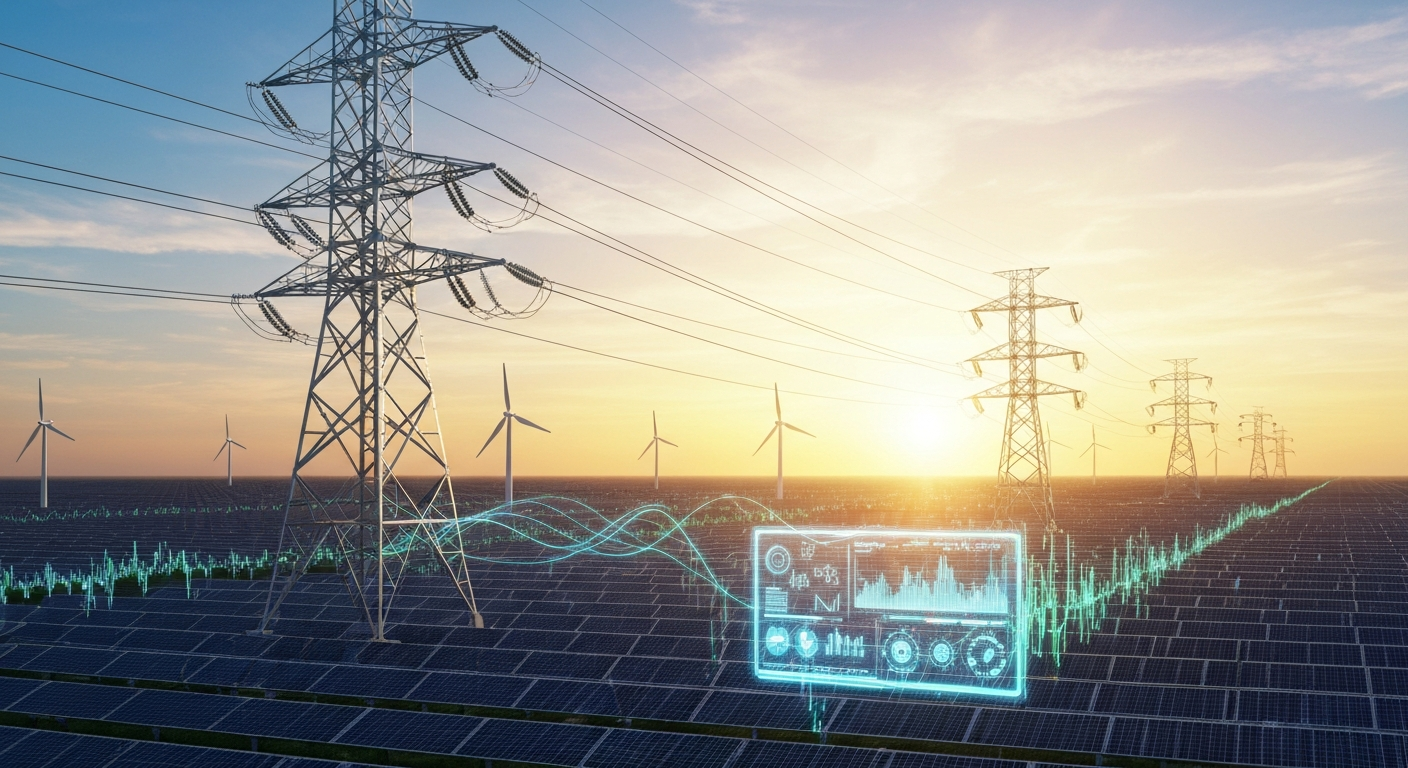
Course Title: Training Course on Grid Integration of Renewable Energy
Executive Summary
This two-week intensive course provides a comprehensive understanding of the challenges and solutions associated with integrating renewable energy sources into existing power grids. Participants will learn about grid modernization, smart grid technologies, energy storage systems, and advanced control strategies necessary for a stable and reliable grid with high penetration of renewables. The course covers technical aspects, economic considerations, and regulatory frameworks relevant to grid integration. Through case studies, simulations, and hands-on exercises, participants will develop practical skills to address grid integration issues in their respective organizations. The program fosters collaboration and knowledge sharing among participants, leading to innovative solutions for a sustainable energy future. By the end of the course, participants will be equipped to lead the transition to a renewable energy-powered grid.
Introduction
The global energy landscape is rapidly evolving, with a growing emphasis on renewable energy sources like solar, wind, and hydro. Integrating these intermittent and distributed resources into the existing power grid presents significant technical, economic, and regulatory challenges. This course aims to equip professionals with the knowledge and skills necessary to address these challenges and facilitate the smooth integration of renewable energy into the grid. It covers a wide range of topics, including grid modernization, smart grid technologies, energy storage, advanced control strategies, and regulatory frameworks. The course emphasizes practical application through case studies, simulations, and hands-on exercises. By fostering collaboration and knowledge sharing, this course aims to empower participants to become leaders in the transition towards a sustainable and reliable renewable energy-powered grid. The course will enable participants to contribute effectively to the development and implementation of grid integration strategies in their organizations and contribute to a cleaner, more sustainable energy future. Understanding the economic and social impacts of grid integration is also covered.
Course Outcomes
- Understand the challenges and opportunities of integrating renewable energy into the grid.
- Apply grid modernization and smart grid technologies for enhanced grid stability and reliability.
- Evaluate the role of energy storage systems in supporting renewable energy integration.
- Design and implement advanced control strategies for managing grid variability and uncertainty.
- Assess the economic and regulatory aspects of grid integration projects.
- Analyze case studies of successful grid integration projects around the world.
- Develop practical solutions for grid integration issues in their respective organizations.
Training Methodologies
- Interactive lectures and presentations.
- Case study analysis and group discussions.
- Hands-on simulations and modeling exercises.
- Expert panel discussions and Q&A sessions.
- Site visits to renewable energy facilities and grid infrastructure.
- Individual and group projects.
- Collaborative problem-solving workshops.
Benefits to Participants
- Enhanced knowledge of grid integration technologies and best practices.
- Improved ability to analyze and solve grid integration challenges.
- Expanded professional network with experts in the field.
- Increased career opportunities in the renewable energy sector.
- Greater confidence in contributing to the transition to a sustainable energy future.
- Practical skills in modeling and simulating grid integration scenarios.
- Certification of completion demonstrating expertise in grid integration.
Benefits to Sending Organization
- Increased capacity to integrate renewable energy into the grid.
- Improved grid stability and reliability.
- Reduced reliance on fossil fuels.
- Lower electricity costs.
- Enhanced reputation as a leader in sustainability.
- Improved compliance with regulatory requirements.
- Increased employee engagement and retention.
Target Participants
- Electrical engineers.
- Power system planners.
- Renewable energy project developers.
- Grid operators.
- Utility managers.
- Government regulators.
- Energy policy analysts.
WEEK 1: Fundamentals of Renewable Energy and Grid Integration
Module 1: Introduction to Renewable Energy Sources
- Overview of renewable energy technologies (solar, wind, hydro, geothermal, biomass).
- Characteristics of different renewable energy sources.
- Global trends in renewable energy deployment.
- Environmental and economic benefits of renewable energy.
- Challenges and opportunities for renewable energy development.
- Renewable energy resource assessment and mapping.
- Introduction to the concept of energy mix and diversification.
Module 2: Power Grid Fundamentals
- Structure of the power grid (generation, transmission, distribution).
- Basic principles of power system operation.
- Power system stability and reliability.
- Traditional grid control and protection systems.
- Challenges of integrating intermittent renewable energy sources.
- Overview of grid codes and standards.
- Impact of renewable energy on grid inertia and frequency response.
Module 3: Grid Integration Challenges and Solutions
- Intermittency and variability of renewable energy sources.
- Voltage and frequency fluctuations.
- Reverse power flow.
- Grid congestion.
- Protection and control challenges.
- Grid modernization technologies.
- Smart grid solutions for renewable energy integration.
Module 4: Smart Grid Technologies
- Advanced metering infrastructure (AMI).
- Wide area monitoring, protection, and control (WAMPAC).
- Distribution automation.
- Demand response.
- Smart inverters.
- Communication technologies for smart grids.
- Cybersecurity considerations for smart grids.
Module 5: Energy Storage Systems
- Types of energy storage technologies (batteries, pumped hydro, compressed air energy storage, thermal energy storage).
- Applications of energy storage in grid integration.
- Sizing and placement of energy storage systems.
- Economic analysis of energy storage projects.
- Energy storage system control and management.
- Grid-scale energy storage projects case studies.
- Future trends in energy storage technologies.
WEEK 2: Advanced Grid Integration Techniques and Case Studies
Module 6: Advanced Control Strategies for Renewable Energy Integration
- Model predictive control (MPC).
- Adaptive control.
- Robust control.
- Artificial intelligence and machine learning for grid control.
- Virtual power plants (VPPs).
- Microgrids.
- Wide-area control systems.
Module 7: Power Electronics for Grid Integration
- Power electronic converters for renewable energy sources.
- Grid-forming and grid-following inverters.
- High voltage DC (HVDC) transmission.
- Flexible AC transmission systems (FACTS).
- Power quality improvement.
- Harmonic mitigation.
- Active power filtering.
Module 8: Economic and Regulatory Aspects of Grid Integration
- Cost-benefit analysis of grid integration projects.
- Incentives and subsidies for renewable energy.
- Grid tariffs and pricing mechanisms.
- Regulatory frameworks for grid integration.
- Interconnection standards and procedures.
- Market design for renewable energy integration.
- Carbon pricing and emissions trading.
Module 9: Case Studies of Grid Integration Projects
- Successful grid integration projects in different countries.
- Lessons learned from past projects.
- Best practices in grid integration.
- Challenges and solutions in real-world scenarios.
- Technical and economic performance of grid integration projects.
- Social and environmental impacts of grid integration.
- Replicability and scalability of grid integration projects.
Module 10: Future Trends in Grid Integration
- Advancements in renewable energy technologies.
- Development of new energy storage solutions.
- Integration of electric vehicles into the grid.
- Blockchain technology for energy trading.
- Artificial intelligence and machine learning for grid optimization.
- Cybersecurity threats and solutions.
- The role of consumers in the future grid.
Action Plan for Implementation
- Conduct a comprehensive assessment of the existing grid infrastructure.
- Identify key challenges and opportunities for renewable energy integration.
- Develop a strategic plan for grid modernization and expansion.
- Implement pilot projects to test new technologies and solutions.
- Establish clear regulatory frameworks and incentives.
- Foster collaboration between utilities, regulators, and renewable energy developers.
- Monitor and evaluate the performance of grid integration projects.
Course Features
- Lecture 0
- Quiz 0
- Skill level All levels
- Students 0
- Certificate No
- Assessments Self

You May Like

Advanced Population Ecology and Demographics
Course Title: Advanced Population Ecology and Demographics Executive Summary This intensive two-week course on Advanced Population Ecology and Demographics equips participants with advanced quantitative and...

Applied Conservation Genetics for Species Management
Course Title: Applied Conservation Genetics for Species Management Executive Summary This two-week intensive course on Applied Conservation Genetics for Species Management bridges the gap between...

Threatened Species Recovery and Reintroduction Programs
Course Title: Threatened Species Recovery and Reintroduction Programs Executive Summary This intensive two-week course provides a comprehensive framework for designing, implementing, and managing recovery plans...

Landscape Ecology and Connectivity Science Training Course
Course Title: Landscape Ecology and Connectivity Science Training Course Executive Summary This intensive two-week executive course on Landscape Ecology and Connectivity Science is designed to...

Biodiversity Hotspot Conservation and Management
Course Title: Biodiversity Hotspot Conservation and Management Executive Summary This intensive two-week course on Biodiversity Hotspot Conservation and Management equips participants with the knowledge and...




