
Training Course on Advanced Materials for Renewable Energy
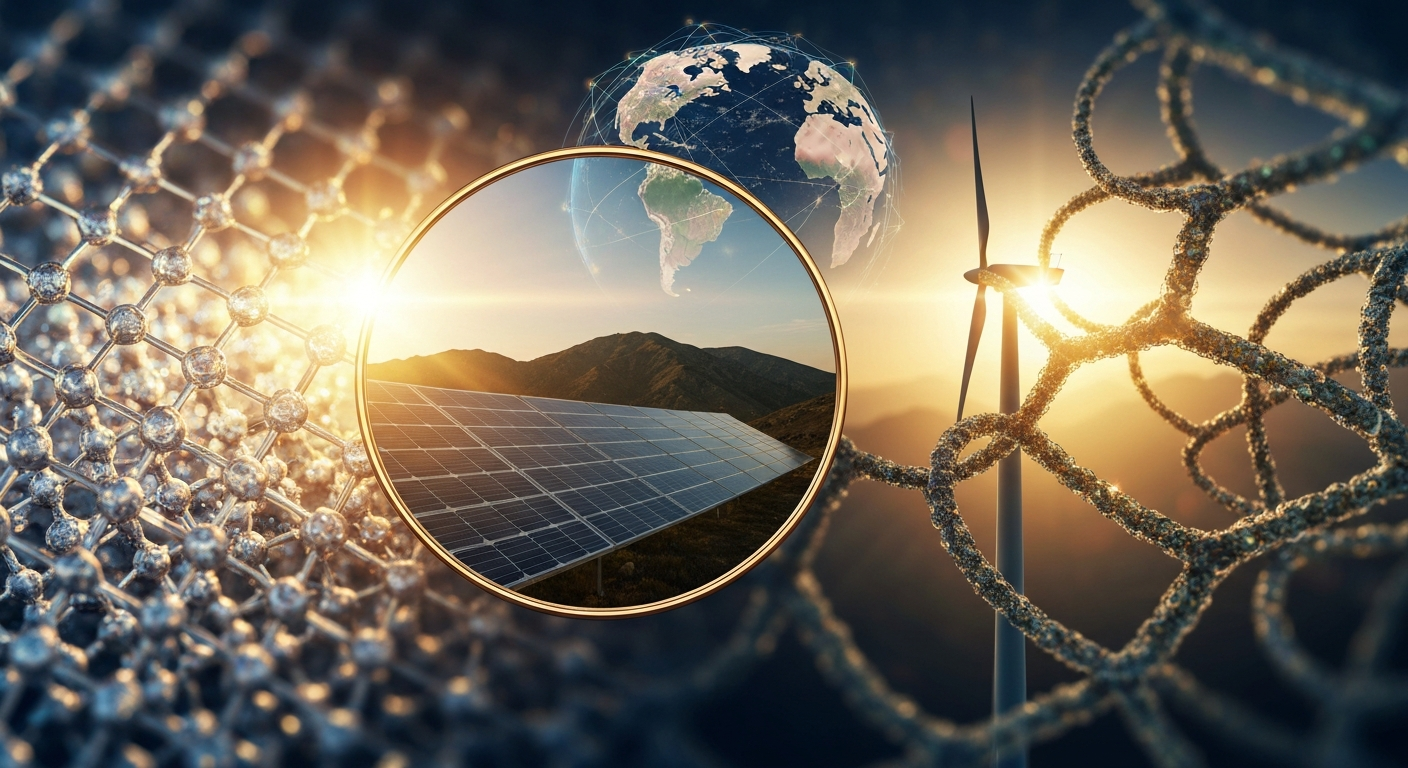
Course Title: Training Course on Advanced Materials for Renewable Energy
Executive Summary
This two-week intensive course provides a comprehensive overview of advanced materials and their applications in renewable energy technologies. Participants will explore the latest advancements in materials science, focusing on enhancing the efficiency, durability, and cost-effectiveness of solar cells, batteries, fuel cells, wind turbines, and other renewable energy systems. The course combines theoretical lectures, hands-on workshops, and case studies to equip participants with practical knowledge and skills. By the end of the program, participants will be able to identify and select appropriate advanced materials for specific renewable energy applications, contributing to innovation and sustainability within their respective fields. This course is designed for professionals seeking to deepen their understanding of the critical role of materials in advancing the renewable energy sector.
Introduction
The global transition to renewable energy sources is heavily reliant on the development and deployment of advanced materials. These materials play a crucial role in improving the performance, reducing the costs, and extending the lifespan of renewable energy technologies. From high-efficiency solar cell materials to durable wind turbine blades and high-capacity battery electrodes, the selection and application of advanced materials are paramount to the success of the renewable energy sector. This course provides a detailed exploration of the properties, processing, and performance of advanced materials used in various renewable energy applications. Participants will gain insights into cutting-edge research, emerging technologies, and best practices in materials selection and integration. The course aims to bridge the gap between materials science and renewable energy engineering, fostering innovation and collaboration to drive the adoption of sustainable energy solutions.
Course Outcomes
- Understand the fundamental properties of advanced materials relevant to renewable energy.
- Identify and select appropriate materials for specific renewable energy applications.
- Evaluate the performance and durability of materials in renewable energy systems.
- Apply materials science principles to improve the efficiency of solar cells, batteries, and other renewable energy technologies.
- Analyze the cost-effectiveness of different materials in renewable energy applications.
- Explore emerging trends and cutting-edge research in advanced materials for renewable energy.
- Develop strategies for the sustainable use and recycling of materials in the renewable energy sector.
Training Methodologies
- Interactive lectures and presentations by expert instructors.
- Hands-on workshops and laboratory sessions.
- Case study analysis of real-world renewable energy projects.
- Group discussions and brainstorming sessions.
- Materials selection and design exercises.
- Guest lectures from industry professionals and researchers.
- Site visits to renewable energy facilities (if feasible).
Benefits to Participants
- Gain in-depth knowledge of advanced materials for renewable energy applications.
- Develop practical skills in materials selection, processing, and characterization.
- Enhance your ability to innovate and contribute to the development of sustainable energy technologies.
- Expand your professional network and collaborate with experts in the field.
- Improve your understanding of the challenges and opportunities in the renewable energy sector.
- Increase your career prospects in the growing field of renewable energy.
- Receive a certificate of completion recognizing your expertise in advanced materials for renewable energy.
Benefits to Sending Organization
- Enhance the technical expertise of your workforce in renewable energy technologies.
- Improve your organization’s ability to develop and deploy sustainable energy solutions.
- Foster innovation and collaboration within your organization.
- Increase your competitiveness in the renewable energy market.
- Contribute to the development of a more sustainable and environmentally friendly energy sector.
- Strengthen your organization’s reputation as a leader in renewable energy.
- Attract and retain top talent in the field of renewable energy.
Target Participants
- Materials Scientists and Engineers
- Renewable Energy Engineers
- Researchers and Academics
- Project Managers in Renewable Energy Companies
- Policy Makers and Government Officials
- Investors and Entrepreneurs in the Renewable Energy Sector
- Consultants in the Energy Industry
WEEK 1: Fundamentals of Advanced Materials and Solar Energy Applications
Module 1: Introduction to Advanced Materials
- Overview of materials science and engineering.
- Classification of materials: metals, ceramics, polymers, composites.
- Properties of materials: mechanical, thermal, electrical, optical.
- Materials selection criteria for engineering applications.
- Introduction to nanomaterials and their properties.
- Sustainable materials and green engineering principles.
- Ethical considerations in materials development and use.
Module 2: Materials for Solar Cells: Silicon and Beyond
- Fundamentals of photovoltaic (PV) technology.
- Crystalline silicon solar cells: properties, processing, and performance.
- Thin-film solar cells: materials and manufacturing techniques.
- Organic solar cells: materials, device architecture, and efficiency.
- Perovskite solar cells: structure, properties, and recent advancements.
- Quantum dot solar cells: principles and potential.
- Emerging materials for next-generation solar cells.
Module 3: Enhancing Solar Cell Efficiency with Advanced Materials
- Light trapping techniques using nanomaterials.
- Surface passivation strategies for reducing recombination losses.
- Anti-reflection coatings for increasing light absorption.
- Transparent conductive oxides (TCOs) for current collection.
- Back surface field (BSF) layers for improving carrier collection.
- Multi-junction solar cells for high efficiency.
- Concentrated photovoltaic (CPV) systems.
Module 4: Durability and Reliability of Solar Cell Materials
- Degradation mechanisms in solar cells: light-induced degradation, thermal degradation, humidity-induced degradation.
- Encapsulation materials for protecting solar cells from environmental factors.
- Testing and characterization methods for assessing solar cell durability.
- Lifetime prediction models for solar cells.
- Failure analysis techniques for identifying causes of solar cell degradation.
- Standards and regulations for solar cell reliability.
- Strategies for improving the long-term performance of solar cells.
Module 5: Recycling and Sustainability of Solar Cell Materials
- End-of-life management of solar panels.
- Recycling processes for different solar cell technologies.
- Environmental impact assessment of solar cell production and disposal.
- Sustainable sourcing of materials for solar cells.
- Circular economy principles for the solar energy industry.
- Regulations and incentives for solar panel recycling.
- Future trends in sustainable solar cell materials.
WEEK 2: Advanced Materials for Energy Storage, Wind, and Other Renewable Technologies
Module 6: Materials for Battery Technologies
- Fundamentals of battery operation: electrochemistry and thermodynamics.
- Lithium-ion batteries: materials, cell design, and performance characteristics.
- Beyond lithium-ion: sodium-ion, magnesium-ion, and solid-state batteries.
- Electrode materials: cathodes, anodes, and electrolytes.
- Nanomaterials for enhanced battery performance.
- Battery management systems (BMS) and safety considerations.
- Applications of batteries in renewable energy storage.
Module 7: Materials for Fuel Cells
- Principles of fuel cell operation: hydrogen and other fuels.
- Proton exchange membrane fuel cells (PEMFCs): materials and design.
- Solid oxide fuel cells (SOFCs): materials, operating temperatures, and efficiency.
- Electrocatalysts for fuel cell reactions.
- Membrane materials for fuel cells.
- Fuel cell stack design and integration.
- Applications of fuel cells in distributed generation and transportation.
Module 8: Advanced Materials for Wind Turbine Blades
- Aerodynamics of wind turbine blades.
- Composite materials for wind turbine blades: fiberglass, carbon fiber, and resins.
- Blade design and manufacturing techniques.
- Durability and fatigue resistance of wind turbine blades.
- Coatings for protecting wind turbine blades from erosion and corrosion.
- Recycling of wind turbine blades.
- Emerging materials for larger and more efficient wind turbine blades.
Module 9: Materials for Geothermal Energy and Other Renewable Technologies
- Materials for geothermal power plants: corrosion-resistant alloys, heat transfer fluids.
- Materials for hydropower systems: turbines, penstocks, and dams.
- Materials for bioenergy systems: biomass processing equipment, combustion chambers.
- Materials for ocean energy technologies: wave energy converters, tidal turbines.
- Advanced materials for improving the efficiency of heat pumps.
- Thermoelectric materials for waste heat recovery.
- Materials challenges and opportunities in emerging renewable energy technologies.
Module 10: Life Cycle Assessment and Sustainable Materials Management in Renewable Energy
- Principles of life cycle assessment (LCA).
- LCA methodology for renewable energy systems.
- Environmental impact categories: global warming potential, acidification, eutrophication.
- Energy payback time and carbon footprint of renewable energy technologies.
- Sustainable materials management strategies.
- Eco-design principles for renewable energy systems.
- Case studies of LCA in renewable energy.
Action Plan for Implementation
- Identify a specific renewable energy technology to focus on.
- Conduct a materials gap analysis for the selected technology.
- Research and evaluate potential advanced materials for addressing the identified gaps.
- Develop a materials selection and design plan.
- Propose a research or development project to test and validate the chosen materials.
- Seek funding and resources for implementing the project.
- Monitor and evaluate the project’s progress and impact.
Course Features
- Lecture 0
- Quiz 0
- Skill level All levels
- Students 0
- Certificate No
- Assessments Self

You May Like

Advanced Population Ecology and Demographics
Course Title: Advanced Population Ecology and Demographics Executive Summary This intensive two-week course on Advanced Population Ecology and Demographics equips participants with advanced quantitative and...

Applied Conservation Genetics for Species Management
Course Title: Applied Conservation Genetics for Species Management Executive Summary This two-week intensive course on Applied Conservation Genetics for Species Management bridges the gap between...

Threatened Species Recovery and Reintroduction Programs
Course Title: Threatened Species Recovery and Reintroduction Programs Executive Summary This intensive two-week course provides a comprehensive framework for designing, implementing, and managing recovery plans...

Landscape Ecology and Connectivity Science Training Course
Course Title: Landscape Ecology and Connectivity Science Training Course Executive Summary This intensive two-week executive course on Landscape Ecology and Connectivity Science is designed to...

Biodiversity Hotspot Conservation and Management
Course Title: Biodiversity Hotspot Conservation and Management Executive Summary This intensive two-week course on Biodiversity Hotspot Conservation and Management equips participants with the knowledge and...




