
Sustainable Livelihoods and Wildlife Conservation Strategies
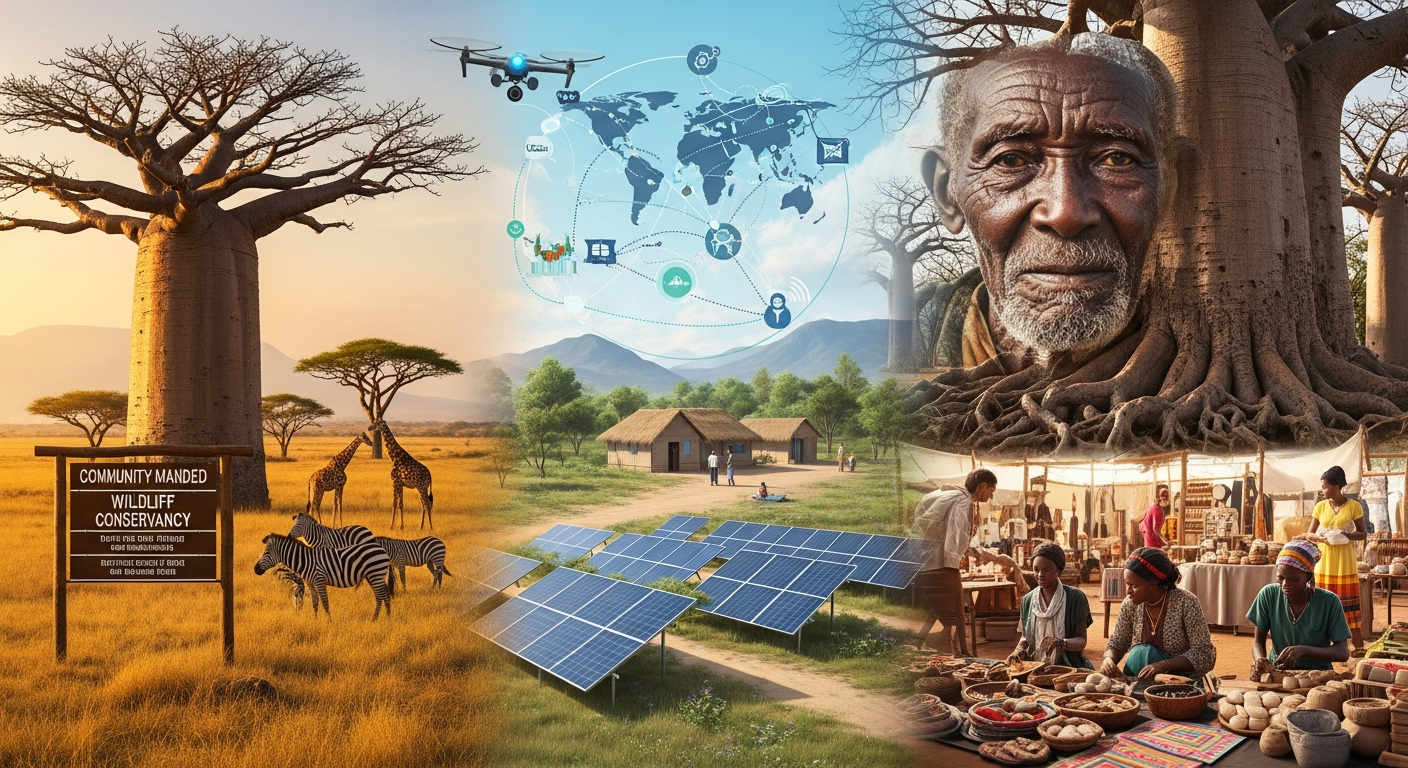
Course Title: Sustainable Livelihoods and Wildlife Conservation Strategies
Executive Summary
This two-week intensive course on Sustainable Livelihoods and Wildlife Conservation Strategies equips participants with the knowledge and skills to design and implement effective conservation programs that simultaneously improve local livelihoods. The program explores the complex interplay between human well-being and wildlife conservation, emphasizing community-based approaches, sustainable resource management, and innovative financing mechanisms. Through case studies, practical exercises, and expert lectures, participants will learn to integrate conservation objectives with livelihood development, reduce human-wildlife conflict, and promote sustainable economic activities. The course emphasizes participatory planning, monitoring and evaluation, and adaptive management. Graduates will be equipped to lead conservation initiatives that foster both ecological integrity and community prosperity, contributing to long-term sustainable development.
Introduction
The intersection of human livelihoods and wildlife conservation presents complex challenges, particularly in areas where communities depend directly on natural resources. Traditional conservation approaches have often overlooked the needs of local populations, leading to conflict and undermining conservation efforts. A sustainable livelihoods approach recognizes that conservation success depends on improving the well-being of communities, reducing their dependence on unsustainable practices, and creating incentives for conservation. This course explores the principles of sustainable livelihoods and their application to wildlife conservation. It examines strategies for promoting alternative livelihoods, managing natural resources sustainably, reducing human-wildlife conflict, and fostering community participation in conservation efforts. Participants will learn to design and implement integrated conservation programs that address both ecological and socio-economic objectives, contributing to long-term sustainable development and biodiversity conservation.
Course Outcomes
- Understand the principles of sustainable livelihoods and their relevance to wildlife conservation.
- Analyze the socio-economic factors that influence human-wildlife interactions.
- Design and implement community-based conservation programs.
- Develop strategies for promoting alternative livelihoods that reduce dependence on unsustainable practices.
- Evaluate the effectiveness of conservation interventions in improving livelihoods and conserving wildlife.
- Apply participatory planning and monitoring techniques in conservation projects.
- Integrate conservation objectives with livelihood development goals.
Training Methodologies
- Interactive lectures and presentations.
- Case study analysis and group discussions.
- Field visits to conservation projects.
- Practical exercises in participatory planning and monitoring.
- Role-playing simulations of human-wildlife conflict scenarios.
- Guest lectures from experienced conservation practitioners.
- Development of individual action plans for implementing sustainable livelihood strategies.
Benefits to Participants
- Enhanced understanding of the link between livelihoods and conservation.
- Improved skills in designing and implementing community-based conservation programs.
- Increased knowledge of alternative livelihood options for communities living near wildlife areas.
- Ability to analyze the socio-economic drivers of unsustainable resource use.
- Strengthened capacity to engage communities in participatory conservation planning.
- Improved skills in monitoring and evaluating conservation project impacts.
- Networking opportunities with other conservation professionals.
Benefits to Sending Organization
- Enhanced capacity to design and implement integrated conservation and development programs.
- Improved effectiveness in achieving conservation objectives while addressing community needs.
- Strengthened relationships with local communities and stakeholders.
- Increased ability to attract funding for conservation projects with livelihood components.
- Improved monitoring and evaluation of conservation program impacts.
- Enhanced organizational reputation and credibility in the conservation sector.
- Development of a more skilled and knowledgeable workforce in sustainable livelihoods and conservation.
Target Participants
- Conservation managers and practitioners.
- Community development officers.
- Wildlife researchers and scientists.
- Protected area managers.
- Policy makers in environment and natural resources.
- NGO staff working in conservation and development.
- Project managers of conservation initiatives.
Week 1: Foundations of Sustainable Livelihoods and Wildlife Conservation
Module 1: Introduction to Sustainable Livelihoods
- Defining sustainable livelihoods and their importance.
- The Sustainable Livelihoods Framework: assets, vulnerabilities, policies, institutions, and processes.
- Livelihood strategies and outcomes.
- Linking livelihoods to environmental sustainability.
- Case studies of successful sustainable livelihood initiatives.
- The role of governance and policy in supporting sustainable livelihoods.
- Measuring livelihood impacts and outcomes.
Module 2: The Human-Wildlife Interface
- Understanding human-wildlife conflict: causes and consequences.
- Socio-economic factors influencing human-wildlife interactions.
- The impact of wildlife on local livelihoods.
- The economic value of wildlife to communities.
- Strategies for mitigating human-wildlife conflict.
- Community-based natural resource management.
- Case studies of human-wildlife conflict resolution.
Module 3: Community-Based Conservation Approaches
- Principles of community-based conservation.
- Engaging communities in conservation planning and decision-making.
- Building trust and partnerships with local communities.
- Benefit-sharing mechanisms for conservation.
- Addressing social equity and gender issues in conservation.
- Participatory monitoring and evaluation techniques.
- Case studies of successful community-based conservation projects.
Module 4: Alternative Livelihood Options for Conservation
- Identifying sustainable livelihood alternatives.
- Promoting ecotourism and nature-based enterprises.
- Supporting sustainable agriculture and forestry practices.
- Developing value chains for non-timber forest products.
- Microfinance and small business development for conservation.
- Skills training and capacity building for alternative livelihoods.
- Case studies of successful alternative livelihood projects.
Module 5: Conservation Finance and Funding Mechanisms
- Understanding conservation finance options.
- Payment for ecosystem services (PES) schemes.
- Conservation trust funds.
- Carbon financing and REDD+.
- Private sector investment in conservation.
- Grant writing and fundraising for conservation projects.
- Managing financial resources effectively.
Week 2: Implementing and Evaluating Conservation Strategies
Module 6: Designing Integrated Conservation Programs
- Developing project goals and objectives.
- Selecting appropriate conservation strategies.
- Integrating livelihood and conservation components.
- Developing logical frameworks and work plans.
- Identifying key stakeholders and partners.
- Addressing potential risks and challenges.
- Ensuring sustainability and long-term impact.
Module 7: Participatory Planning and Implementation
- Techniques for engaging communities in project planning.
- Conducting participatory needs assessments.
- Developing community action plans.
- Facilitating participatory decision-making processes.
- Building local ownership and responsibility.
- Managing conflicts and addressing grievances.
- Ensuring inclusive participation of marginalized groups.
Module 8: Monitoring and Evaluation of Conservation Projects
- Developing monitoring indicators and targets.
- Collecting and analyzing data.
- Assessing project impacts on livelihoods and conservation outcomes.
- Reporting findings to stakeholders.
- Using M&E results to improve project implementation.
- Adaptive management and learning from experience.
- Communicating project successes and lessons learned.
Module 9: Reducing Human-Wildlife Conflict
- Understanding the causes and consequences of conflict.
- Developing conflict mitigation strategies.
- Fencing and other physical barriers.
- Compensation schemes for wildlife damage.
- Community-based early warning systems.
- Promoting tolerance and coexistence.
- Case studies of successful conflict mitigation efforts.
Module 10: Mainstreaming Conservation into Development Planning
- Integrating conservation into national and sectoral policies.
- Promoting sustainable land use planning.
- Addressing environmental impacts of development projects.
- Building partnerships with government agencies and private sector.
- Advocacy and lobbying for conservation.
- Raising public awareness about the importance of conservation.
- Developing national conservation strategies and action plans.
Action Plan for Implementation
- Conduct a participatory assessment of local livelihoods and natural resource use in a target area.
- Identify key threats to wildlife and ecosystems and their impact on local communities.
- Develop a community-based conservation plan that integrates livelihood improvement and biodiversity conservation objectives.
- Establish a monitoring and evaluation system to track progress and measure impacts.
- Secure funding from donors and investors to support the implementation of the conservation plan.
- Build strong partnerships with local communities, government agencies, and NGOs.
- Regularly review and adapt the conservation plan based on monitoring results and stakeholder feedback.
Course Features
- Lecture 0
- Quiz 0
- Skill level All levels
- Students 0
- Certificate No
- Assessments Self

You May Like

Advanced Population Ecology and Demographics
Course Title: Advanced Population Ecology and Demographics Executive Summary This intensive two-week course on Advanced Population Ecology and Demographics equips participants with advanced quantitative and...

Applied Conservation Genetics for Species Management
Course Title: Applied Conservation Genetics for Species Management Executive Summary This two-week intensive course on Applied Conservation Genetics for Species Management bridges the gap between...

Threatened Species Recovery and Reintroduction Programs
Course Title: Threatened Species Recovery and Reintroduction Programs Executive Summary This intensive two-week course provides a comprehensive framework for designing, implementing, and managing recovery plans...

Landscape Ecology and Connectivity Science Training Course
Course Title: Landscape Ecology and Connectivity Science Training Course Executive Summary This intensive two-week executive course on Landscape Ecology and Connectivity Science is designed to...

Biodiversity Hotspot Conservation and Management
Course Title: Biodiversity Hotspot Conservation and Management Executive Summary This intensive two-week course on Biodiversity Hotspot Conservation and Management equips participants with the knowledge and...




