
Offshore Wind Training Course
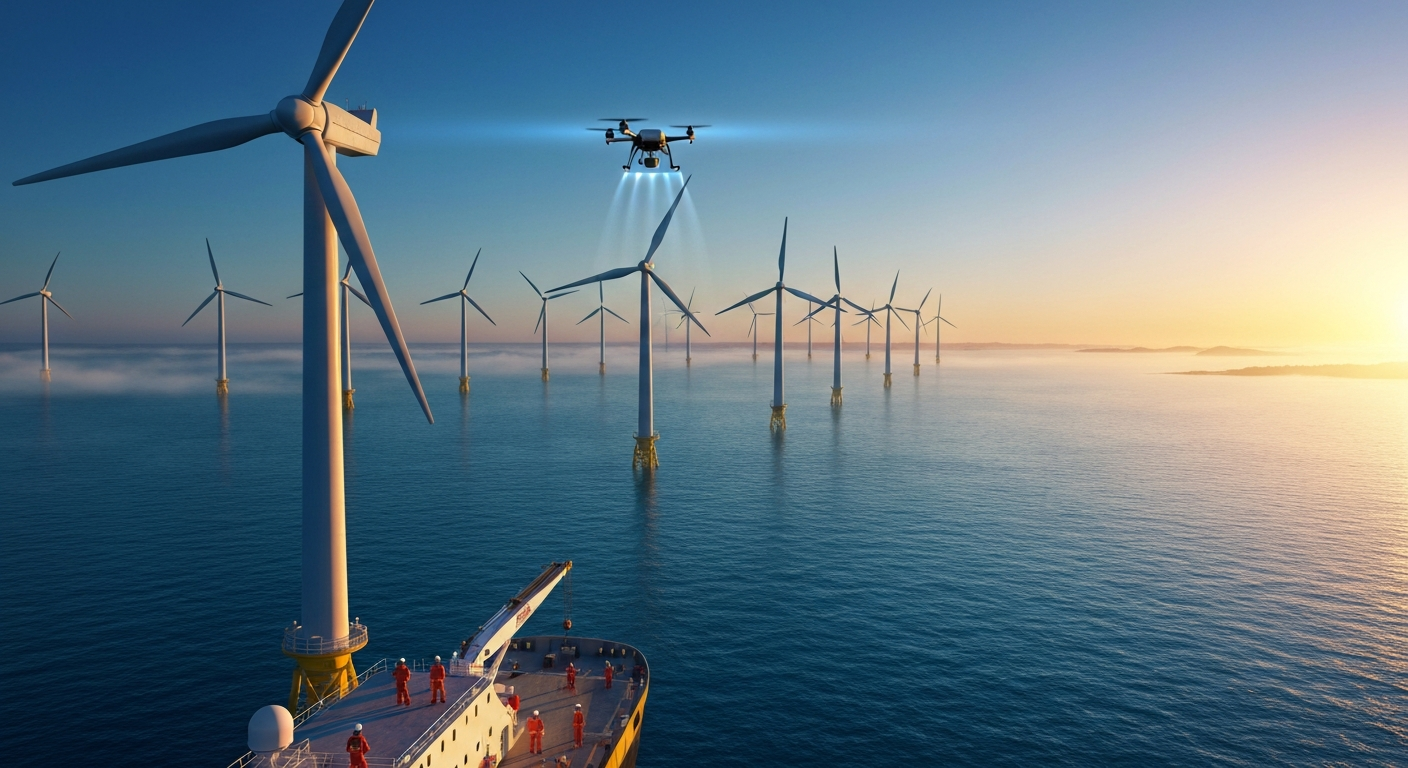
Course Title: Offshore Wind Training Course
Executive Summary
This intensive two-week Offshore Wind Training Course provides participants with a comprehensive understanding of the offshore wind industry, from project development and financing to construction, operation, and maintenance. The course blends theoretical knowledge with practical insights, using case studies, simulations, and expert lectures. Participants will gain expertise in wind turbine technology, grid integration, environmental considerations, and safety protocols. The program addresses the entire lifecycle of an offshore wind farm, ensuring participants are well-prepared for the challenges and opportunities in this rapidly growing sector. Emphasis is placed on best practices, innovation, and sustainability, enabling participants to contribute effectively to the development and operation of offshore wind projects. This training empowers professionals to advance their careers and drive the growth of the renewable energy sector.
Introduction
Offshore wind energy is a rapidly expanding sector of the renewable energy industry, offering significant potential for clean electricity generation and economic growth. This two-week Offshore Wind Training Course is designed to equip professionals with the knowledge and skills necessary to succeed in this dynamic field. The course covers all aspects of offshore wind development, from initial site selection and environmental impact assessments to the complex engineering challenges of turbine installation and grid connection. It also addresses the critical issues of operation, maintenance, and decommissioning, ensuring a comprehensive understanding of the entire project lifecycle. The course provides participants with insights into the latest technologies, regulatory frameworks, and best practices in the offshore wind industry. Through a combination of lectures, case studies, and hands-on exercises, participants will gain the practical experience needed to contribute effectively to offshore wind projects. The training aims to foster innovation, promote sustainability, and advance the deployment of offshore wind energy worldwide. This course is essential for anyone seeking to enter or advance their career in the offshore wind industry.
Course Outcomes
- Understand the fundamentals of offshore wind technology and resource assessment.
- Develop expertise in project development, financing, and risk management.
- Gain practical knowledge of turbine installation, operation, and maintenance.
- Evaluate environmental impacts and implement mitigation strategies.
- Apply safety protocols and best practices in offshore operations.
- Analyze grid integration challenges and solutions for offshore wind farms.
- Contribute to the sustainable development and growth of the offshore wind industry.
Training Methodologies
- Expert-led lectures and presentations.
- Case study analysis of real-world offshore wind projects.
- Interactive group discussions and knowledge sharing.
- Simulation exercises for project planning and risk management.
- Site visits to relevant facilities (if feasible).
- Hands-on workshops for data analysis and modeling.
- Guest lectures from industry leaders and experts.
Benefits to Participants
- Enhanced knowledge of offshore wind technology and project development.
- Improved skills in project planning, financing, and risk management.
- Increased understanding of environmental considerations and mitigation strategies.
- Greater awareness of safety protocols and best practices in offshore operations.
- Expanded professional network within the offshore wind industry.
- Enhanced career prospects in the rapidly growing renewable energy sector.
- Professional development certification upon completion of the course.
Benefits to Sending Organization
- Improved employee competence and productivity in offshore wind projects.
- Enhanced ability to manage and mitigate risks associated with offshore development.
- Greater capacity to innovate and adopt best practices in offshore operations.
- Stronger commitment to sustainability and environmental responsibility.
- Improved reputation as a leader in the renewable energy sector.
- Increased competitiveness in the global offshore wind market.
- Enhanced ability to attract and retain top talent in the industry.
Target Participants
- Engineers involved in wind turbine design, installation, and maintenance.
- Project managers responsible for planning and executing offshore wind farms.
- Environmental specialists assessing and mitigating environmental impacts.
- Financial analysts involved in project financing and investment decisions.
- Government regulators overseeing offshore wind development and permitting.
- Researchers and academics studying offshore wind technology and policy.
- Professionals seeking to transition into the offshore wind industry.
WEEK 1: Foundations of Offshore Wind
Module 1: Introduction to Offshore Wind Energy
- Overview of the global offshore wind market and trends.
- Advantages and challenges of offshore wind energy.
- Comparison of offshore wind with other renewable energy sources.
- Key stakeholders and their roles in the offshore wind industry.
- Regulatory frameworks and permitting processes.
- Environmental considerations and sustainability principles.
- Economic benefits and job creation potential.
Module 2: Wind Resource Assessment and Site Selection
- Wind resource assessment techniques for offshore sites.
- Data collection methods: metocean buoys, LiDAR, satellite data.
- Site selection criteria: wind speed, water depth, seabed conditions.
- Geotechnical investigations and seabed surveys.
- Environmental impact assessments and mitigation strategies.
- Spatial planning and marine spatial conflict resolution.
- Case studies of successful offshore wind farm sites.
Module 3: Offshore Wind Turbine Technology
- Overview of wind turbine components and operation.
- Design considerations for offshore wind turbines.
- Foundations types: monopiles, jackets, floating platforms.
- Blade design and aerodynamics for offshore conditions.
- Gearbox and generator technologies for offshore wind turbines.
- Control systems and monitoring techniques.
- Emerging trends in turbine technology: larger turbines, direct-drive systems.
Module 4: Project Development and Financing
- Project lifecycle: planning, development, construction, operation.
- Feasibility studies and due diligence processes.
- Financial modeling and investment analysis.
- Project financing options: debt, equity, project bonds.
- Risk management and insurance considerations.
- Contracting strategies: EPC, O&M agreements.
- Case studies of successful offshore wind project financing.
Module 5: Environmental Impacts and Mitigation
- Potential environmental impacts of offshore wind farms.
- Impacts on marine ecosystems: fish, seabirds, marine mammals.
- Noise pollution and mitigation measures.
- Electromagnetic field (EMF) effects on marine life.
- Collision risk and navigation safety.
- Decommissioning and habitat restoration.
- Best practices for environmental monitoring and mitigation.
WEEK 2: Offshore Wind Operations and Future Trends
Module 6: Installation and Construction
- Offshore installation vessels and equipment.
- Turbine transportation and lifting techniques.
- Foundation installation methods.
- Subsea cable laying and burial.
- Commissioning and testing procedures.
- Health, safety, and environmental (HSE) management during construction.
- Case studies of offshore wind farm construction projects.
Module 7: Operations and Maintenance (O&M)
- O&M strategies for offshore wind farms.
- Remote monitoring and diagnostic systems.
- Preventive maintenance and condition monitoring.
- Corrective maintenance and repair techniques.
- Crew transfer vessels and offshore logistics.
- Safety protocols and emergency response plans.
- Cost optimization and performance improvement.
Module 8: Grid Integration and Transmission
- Challenges of integrating offshore wind energy into the grid.
- HVAC and HVDC transmission systems.
- Substations and grid connection infrastructure.
- Power quality and grid stability issues.
- Smart grid technologies and energy storage solutions.
- Regulatory frameworks for grid connection and transmission.
- Case studies of successful offshore wind grid integration projects.
Module 9: Decommissioning and Repowering
- Decommissioning options for offshore wind farms.
- Removal of turbines, foundations, and cables.
- Environmental considerations during decommissioning.
- Cost estimation and financial planning.
- Repowering strategies: upgrading turbines and extending project lifespan.
- Regulatory frameworks for decommissioning and repowering.
- Case studies of offshore wind farm decommissioning projects.
Module 10: Future Trends and Innovations
- Emerging technologies in offshore wind energy.
- Floating offshore wind farms.
- Deepwater wind technology.
- Artificial intelligence and machine learning for O&M.
- Offshore energy storage solutions.
- Hybrid offshore wind and hydrogen production.
- Policy and market trends shaping the future of offshore wind.
Action Plan for Implementation
- Conduct a thorough assessment of current offshore wind energy knowledge and skills within the organization.
- Identify specific areas where training is needed to improve performance and innovation.
- Develop a customized training plan based on the course outcomes and organizational goals.
- Allocate resources and budget for implementing the training plan.
- Track progress and measure the impact of training on employee performance and project outcomes.
- Establish a mentorship program to support ongoing learning and development.
- Regularly review and update the training plan to adapt to changes in the offshore wind industry.
Course Features
- Lecture 0
- Quiz 0
- Skill level All levels
- Students 0
- Certificate No
- Assessments Self

You May Like

Advanced Population Ecology and Demographics
Course Title: Advanced Population Ecology and Demographics Executive Summary This intensive two-week course on Advanced Population Ecology and Demographics equips participants with advanced quantitative and...

Applied Conservation Genetics for Species Management
Course Title: Applied Conservation Genetics for Species Management Executive Summary This two-week intensive course on Applied Conservation Genetics for Species Management bridges the gap between...

Threatened Species Recovery and Reintroduction Programs
Course Title: Threatened Species Recovery and Reintroduction Programs Executive Summary This intensive two-week course provides a comprehensive framework for designing, implementing, and managing recovery plans...

Landscape Ecology and Connectivity Science Training Course
Course Title: Landscape Ecology and Connectivity Science Training Course Executive Summary This intensive two-week executive course on Landscape Ecology and Connectivity Science is designed to...

Biodiversity Hotspot Conservation and Management
Course Title: Biodiversity Hotspot Conservation and Management Executive Summary This intensive two-week course on Biodiversity Hotspot Conservation and Management equips participants with the knowledge and...




