
Managing Protected Areas in a Changing Climate
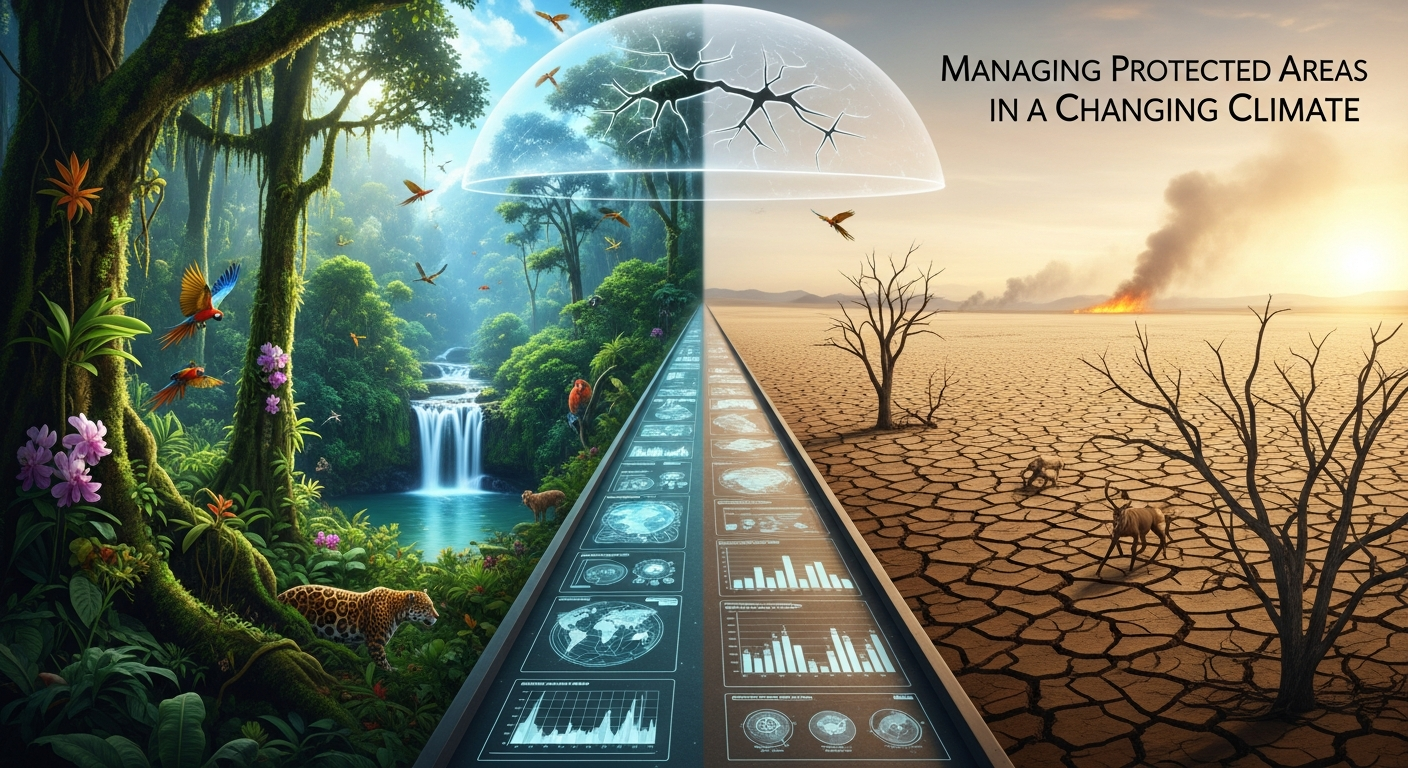
Course Title: Managing Protected Areas in a Changing Climate
Executive Summary
This two-week executive training course on Managing Protected Areas in a Changing Climate addresses the urgent need to adapt conservation strategies to rapid environmental shifts. Designed for senior park managers and conservation leaders, the program bridges the gap between climate science, policy, and field-level implementation. Participants will master tools for conducting vulnerability assessments, designing climate-resilient management plans, and integrating Nature-based Solutions (NbS) into protected area operations. The curriculum emphasizes adaptive management techniques that move beyond static preservation to dynamic ecosystem stewardship. By combining global best practices with regional case studies, the course equips professionals to secure climate finance, engage local communities in adaptation efforts, and leverage technology for monitoring ecological changes. Graduates will emerge with the strategic foresight necessary to safeguard biodiversity and ecosystem services against the compounding threats of climate change, ensuring the long-term viability of protected areas.
Introduction
Protected areas (PAs) serve as the planet’s primary defense against biodiversity loss, yet they are increasingly vulnerable to the impacts of a changing climate. Rising temperatures, shifting precipitation patterns, and extreme weather events are altering habitats, forcing species migration, and threatening the ecological integrity that traditional conservation models were designed to preserve. To remain effective, PA management must evolve from static preservationist approaches to dynamic, adaptive management strategies that anticipate and mitigate climate risks.The Managing Protected Areas in a Changing Climate course provides a comprehensive framework for navigating this complexity. It is designed to empower PA managers, policymakers, and practitioners with the knowledge to integrate climate adaptation into every facet of PA governance and operations. The course covers the full spectrum of climate-smart conservation, from technical vulnerability assessments and carbon stock monitoring to social safeguards and conflict resolution in resource-scarce environments.Participants will engage with cutting-edge tools, including GIS-based climate modeling, scenario planning for ecosystem shifts, and frameworks for accessing international climate finance mechanisms like the Green Climate Fund. By fostering a deep understanding of the nexus between biodiversity, climate, and human communities, this program prepares leaders to build resilience not just within park boundaries, but across the broader working landscapes. Ultimately, this course transforms participants into proactive change agents capable of steering their institutions through the uncertainty of the climate crisis.
Course Outcomes
- Conduct comprehensive climate vulnerability assessments for protected area ecosystems.
- Design and implement adaptive management plans that accommodate ecological shifts.
- Apply Nature-based Solutions (NbS) for ecosystem-based adaptation and mitigation.
- Utilize GIS and remote sensing tools to monitor climate impacts on biodiversity.
- Develop strategies for community engagement and social resilience in buffer zones.
- Identify and access climate finance mechanisms to fund adaptation initiatives.
- Formulate policy recommendations aligning PA management with national climate goals.
Training Methodologies
- Expert-led lectures on climate science and conservation biology.
- Interactive workshops on vulnerability assessment tools.
- Case study analysis of global climate adaptation success stories.
- Field simulation exercises for rapid ecological assessment.
- Group scenario planning and strategic foresight sessions.
- Peer-to-peer learning and experience sharing circles.
- Capstone project development for institutional action planning.
Benefits to Participants
- Mastery of cutting-edge climate adaptation frameworks and tools.
- Enhanced leadership skills for managing crisis and uncertainty.
- Increased technical proficiency in ecological monitoring and data analysis.
- Expanded professional network with global conservation experts.
- Improved capacity to write winning proposals for climate funding.
- Certification recognizing expertise in climate-smart conservation.
- Practical skills to lead immediate operational changes in their PAs.
Benefits to Sending Organization
- Increased resilience of managed ecosystems to climate shocks.
- Improved compliance with international biodiversity and climate commitments.
- Access to new revenue streams through carbon markets and climate funds.
- Enhanced institutional reputation as a leader in sustainable management.
- Strengthened community relations through inclusive adaptation projects.
- Data-driven decision-making capabilities across the organization.
- Long-term strategic alignment of conservation goals with environmental realities.
Target Participants
- Protected Area Managers and Park Wardens.
- Senior Conservation Scientists and Ecologists.
- Government Directors of Wildlife and Forestry Departments.
- Project Managers in Environmental NGOs.
- Climate Change Focal Points in Ministries.
- Community Liaison and Development Officers.
- Environmental Policy Analysts and Planners.
WEEK 1: WEEK 1: Climate Science, Vulnerability, and Adaptive Management
Module 1 – Climate Impacts on Biodiversity
- Overview of global climate trends and projections.
- Physiological and phenological responses of species.
- Habitat range shifts and migration corridors.
- Impact of extreme weather events on infrastructure.
- Ocean acidification and coral reef resilience (if applicable).
- Invasive species and disease dynamics in warmer climates.
- Case study: Climate impacts on a specific bioregion.
Module 2 – Vulnerability Assessment Tools
- Frameworks for conducting vulnerability assessments.
- Exposure, sensitivity, and adaptive capacity analysis.
- Data collection methods for climate baselines.
- Participatory rural appraisal for social vulnerability.
- Mapping climate hotspots within protected areas.
- Interpreting climate models for local application.
- Practical Lab: Conducting a rapid vulnerability scan.
Module 3 – Adaptive Management Frameworks
- Principles of Adaptive Management (AM).
- Moving from static plans to dynamic processes.
- The Open Standards for the Practice of Conservation.
- Setting thresholds and triggers for management intervention.
- Scenario planning: Best-case, worst-case, and business-as-usual.
- Managing uncertainty in decision-making.
- Workshop: developing an adaptive management cycle.
Module 4 – Landscape Connectivity and Corridors
- The importance of transboundary conservation.
- Designing climate-resilient ecological corridors.
- Managing buffer zones and matrix landscapes.
- Restoration ecology for connectivity.
- Legal frameworks for cross-border cooperation.
- Human-wildlife conflict in shifting landscapes.
- Case study: The role of connectivity in species survival.
Module 5 – Carbon, Forests, and Ecosystem Services
- Protected areas as carbon sinks.
- Introduction to REDD+ and carbon markets.
- Valuing ecosystem services under threat.
- Water security and watershed management.
- Carbon stock assessment methodologies.
- Trade-offs between carbon storage and biodiversity.
- Exercise: Calculating basic carbon value of a PA.
WEEK 2: WEEK 2: Implementation, Finance, and Community Resilience
Module 6 – Nature-based Solutions (NbS)
- Defining NbS in the context of protected areas.
- Ecosystem-based Adaptation (EbA) vs. hard infrastructure.
- Restoring wetlands and forests for flood control.
- Fire management strategies in a hotter world.
- Integrating traditional ecological knowledge.
- Cost-benefit analysis of NbS interventions.
- Site visit simulation: Designing an NbS intervention.
Module 7 – Community Resilience and Engagement
- Social impacts of climate change on local communities.
- Community-Based Adaptation (CBA) planning.
- Livelihood diversification to reduce pressure on PAs.
- Gender dimensions of climate change in conservation.
- Conflict resolution over diminishing resources (water/grazing).
- Benefit-sharing mechanisms.
- Role play: Stakeholder negotiation on resource access.
Module 8 – Climate Finance and Resource Mobilization
- Landscape of global climate finance (GCF, GEF, Adaptation Fund).
- Payment for Ecosystem Services (PES) schemes.
- Green bonds and biodiversity credits.
- Developing bankable climate adaptation projects.
- Grant writing essentials for climate funds.
- Public-private partnerships for resilience.
- Practical: Drafting a concept note for funding.
Module 9 – Technology for Monitoring and Evaluation
- Remote sensing and GIS for change detection.
- Using drones for habitat monitoring.
- SMART patrolling systems for climate data.
- Citizen science apps for tracking species.
- Setting Key Performance Indicators (KPIs) for adaptation.
- Data management and information systems.
- Demonstration: Tech tools for modern PA management.
Module 10 – Strategic Planning and Governance
- Mainstreaming climate change into PA management plans.
- Policy advocacy and legal frameworks.
- Building institutional capacity for the long term.
- Communication strategies for climate urgency.
- Reviewing and updating governance structures.
- Synthesis of course learnings.
- Final Presentation: The Climate-Smart PA Action Plan.
Action Plan for Implementation
- Conduct a baseline climate vulnerability assessment within 3 months.
- Identify top three climate risks impacting the specific protected area.
- Convene a stakeholder meeting to validate risks and adaptation options.
- Draft a ‘Climate Addendum’ to the existing management plan.
- Submit a funding proposal for a pilot adaptation project within 6 months.
- Establish a climate monitoring dashboard with specific indicators.
- Schedule annual reviews to adjust strategies based on monitoring data.
Course Features
- Lecture 0
- Quiz 0
- Skill level All levels
- Students 0
- Certificate No
- Assessments Self

You May Like

Advanced Population Ecology and Demographics
Course Title: Advanced Population Ecology and Demographics Executive Summary This intensive two-week course on Advanced Population Ecology and Demographics equips participants with advanced quantitative and...

Applied Conservation Genetics for Species Management
Course Title: Applied Conservation Genetics for Species Management Executive Summary This two-week intensive course on Applied Conservation Genetics for Species Management bridges the gap between...

Threatened Species Recovery and Reintroduction Programs
Course Title: Threatened Species Recovery and Reintroduction Programs Executive Summary This intensive two-week course provides a comprehensive framework for designing, implementing, and managing recovery plans...

Landscape Ecology and Connectivity Science Training Course
Course Title: Landscape Ecology and Connectivity Science Training Course Executive Summary This intensive two-week executive course on Landscape Ecology and Connectivity Science is designed to...

Biodiversity Hotspot Conservation and Management
Course Title: Biodiversity Hotspot Conservation and Management Executive Summary This intensive two-week course on Biodiversity Hotspot Conservation and Management equips participants with the knowledge and...




