
Conservation Planning Software Training Course
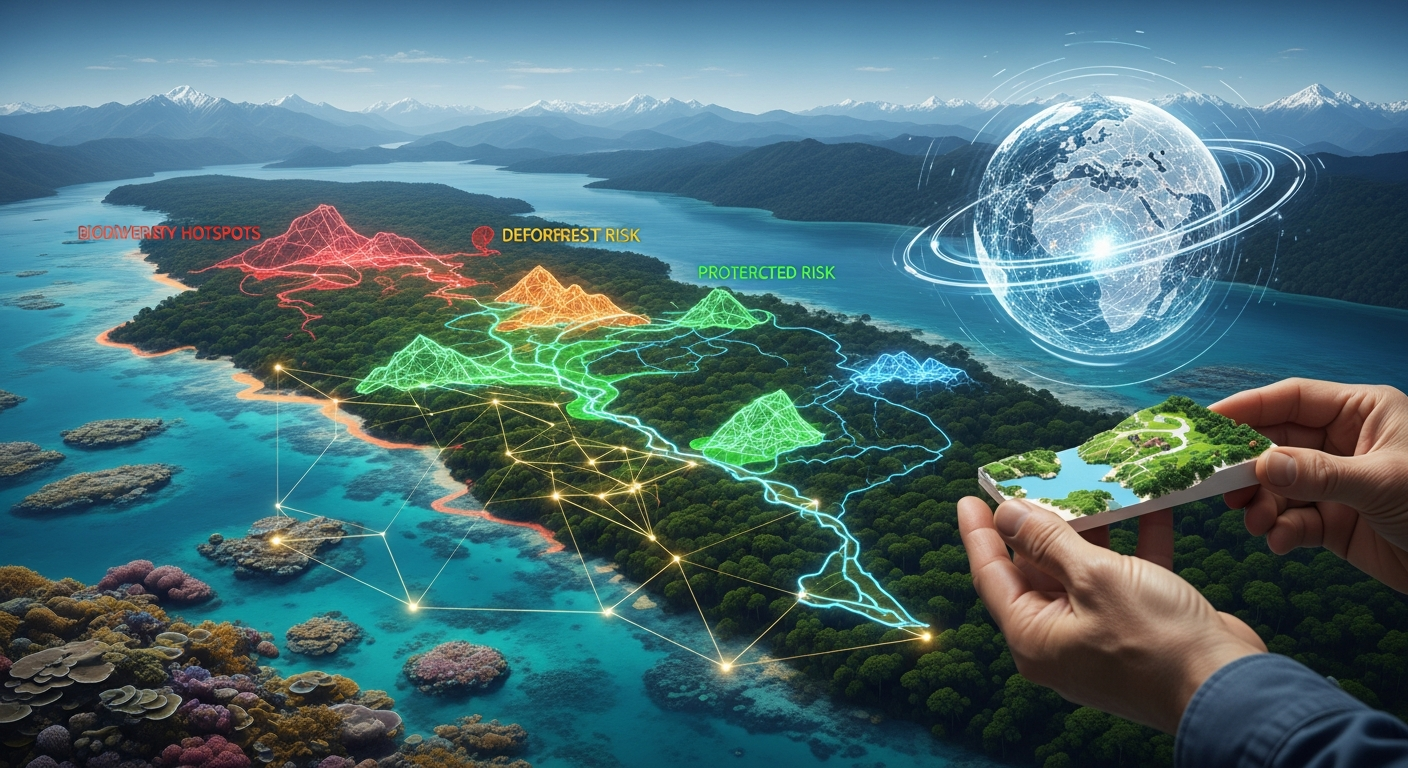
Course Title: Conservation Planning Software Training Course
Executive Summary
This intensive two-week course on Conservation Planning Software equips conservation professionals with the essential skills to leverage technology for effective conservation planning and decision-making. Participants will gain hands-on experience with industry-standard software, learning to analyze spatial data, model ecological processes, and develop optimized conservation strategies. The course emphasizes practical application through real-world case studies and interactive exercises. Participants will learn to assess conservation priorities, design protected areas, and manage natural resources using a data-driven approach. This course bridges the gap between conservation science and practical implementation, empowering participants to make informed decisions that promote biodiversity conservation and ecosystem sustainability. Participants will create comprehensive conservation plans using the software, applying learned techniques to their own conservation objectives.
Introduction
Effective conservation planning is crucial for preserving biodiversity and managing natural resources sustainably. Conservation planning software provides powerful tools for analyzing spatial data, modeling ecological processes, and developing informed conservation strategies. This course is designed to equip conservation professionals with the knowledge and skills to effectively utilize these software tools. Participants will learn to integrate ecological principles with practical conservation planning techniques, using software to analyze landscapes, prioritize conservation areas, and develop management plans. The course combines theoretical concepts with hands-on exercises, ensuring participants gain proficiency in using conservation planning software to address real-world challenges. By the end of the course, participants will be able to apply their skills to a variety of conservation projects, contributing to the long-term preservation of biodiversity and ecosystem services. The course provides a foundation for continued professional development in the field of conservation technology.
Course Outcomes
- Master the fundamentals of conservation planning software.
- Analyze spatial data for conservation assessments.
- Model ecological processes using software tools.
- Develop optimized conservation strategies.
- Design protected areas using systematic planning approaches.
- Manage natural resources effectively.
- Apply conservation planning software to real-world case studies.
Training Methodologies
- Interactive lectures and presentations.
- Hands-on software tutorials and demonstrations.
- Case study analysis and group discussions.
- Practical exercises and projects.
- Individual consultations with instructors.
- Online resources and support materials.
- Guest lectures from conservation experts.
Benefits to Participants
- Enhanced skills in conservation planning and decision-making.
- Proficiency in using industry-standard conservation planning software.
- Ability to analyze spatial data and model ecological processes.
- Improved capacity to develop effective conservation strategies.
- Increased knowledge of systematic conservation planning approaches.
- Expanded professional network through interaction with instructors and peers.
- Career advancement opportunities in the field of conservation.
Benefits to Sending Organization
- Improved capacity for data-driven conservation planning.
- Enhanced efficiency in resource allocation and management.
- Increased effectiveness in achieving conservation goals.
- Improved ability to meet regulatory requirements.
- Enhanced organizational reputation and credibility.
- Attract and retain top talent in the field of conservation.
- Greater access to funding opportunities through improved project planning.
Target Participants
- Conservation Planners
- Wildlife Biologists
- GIS Specialists
- Resource Managers
- Environmental Consultants
- Park Rangers
- Conservation NGO Staff
WEEK 1: Foundations of Conservation Planning Software
Module 1: Introduction to Conservation Planning and Software
- Overview of conservation planning principles.
- Introduction to various conservation planning software options.
- Setting up the software environment.
- Understanding data requirements and formats.
- Exploring the software interface and tools.
- Navigating the software workspace.
- Basic data input and management.
Module 2: Spatial Data Analysis for Conservation
- Understanding spatial data types (raster, vector).
- Importing and exporting spatial data.
- Performing spatial analysis operations (buffering, overlay).
- Creating thematic maps for conservation assessments.
- Using spatial data to identify conservation priorities.
- Analyzing habitat fragmentation and connectivity.
- Integrating remote sensing data into conservation planning.
Module 3: Ecological Modeling with Software
- Introduction to ecological modeling concepts.
- Using software to model species distributions.
- Analyzing habitat suitability and availability.
- Modeling population dynamics.
- Simulating the impacts of environmental change.
- Integrating ecological models into conservation planning.
- Validating and refining ecological models.
Module 4: Conservation Needs Assessment
- Identifying conservation targets and goals.
- Assessing the conservation status of species and ecosystems.
- Mapping biodiversity hotspots and conservation priorities.
- Evaluating threats to biodiversity.
- Conducting stakeholder analysis.
- Defining conservation objectives and indicators.
- Setting conservation priorities based on scientific evidence.
Module 5: Designing Protected Areas
- Principles of systematic conservation planning.
- Using software to identify potential protected areas.
- Analyzing the cost-effectiveness of protected areas.
- Considering ecological and socio-economic factors.
- Developing zoning plans for protected areas.
- Evaluating the connectivity of protected areas.
- Integrating protected areas into broader landscape planning.
WEEK 2: Advanced Conservation Planning and Implementation
Module 6: Connectivity Planning
- Understanding habitat connectivity and its importance.
- Identifying and mapping habitat corridors.
- Analyzing landscape permeability.
- Using software to design and prioritize connectivity conservation strategies.
- Modeling the effects of landscape change on connectivity.
- Implementing connectivity conservation projects.
- Monitoring the effectiveness of connectivity measures.
Module 7: Climate Change Adaptation Planning
- Understanding the impacts of climate change on biodiversity.
- Using software to model climate change scenarios.
- Identifying climate refugia and adaptation strategies.
- Incorporating climate change considerations into conservation planning.
- Developing adaptation plans for protected areas.
- Managing species and ecosystems in a changing climate.
- Monitoring the effectiveness of climate change adaptation measures.
Module 8: Resource Management Planning
- Integrating conservation planning with resource management.
- Developing sustainable resource management plans.
- Balancing conservation goals with economic development.
- Using software to model resource extraction scenarios.
- Managing water resources, forests, and other natural resources.
- Incorporating community participation into resource management.
- Monitoring the environmental impacts of resource management practices.
Module 9: Cost-Benefit Analysis and Decision Support
- Conducting cost-benefit analysis of conservation projects.
- Using software to compare different conservation scenarios.
- Evaluating the economic value of ecosystem services.
- Developing decision support tools for conservation planning.
- Presenting conservation plans to stakeholders.
- Negotiating trade-offs and resolving conflicts.
- Making informed decisions based on scientific evidence and economic analysis.
Module 10: Implementation and Monitoring
- Developing implementation plans for conservation projects.
- Securing funding for conservation initiatives.
- Establishing monitoring programs to track progress.
- Using software to analyze monitoring data.
- Evaluating the effectiveness of conservation interventions.
- Adaptive management and iterative planning.
- Documenting and communicating conservation successes.
Action Plan for Implementation
- Identify a specific conservation project to apply the learned skills.
- Conduct a thorough needs assessment using conservation planning software.
- Develop a detailed conservation plan with clear objectives and strategies.
- Present the conservation plan to relevant stakeholders and decision-makers.
- Seek funding opportunities to implement the conservation plan.
- Establish a monitoring program to track progress and evaluate effectiveness.
- Share the results of the conservation project with the wider conservation community.
Course Features
- Lecture 0
- Quiz 0
- Skill level All levels
- Students 0
- Certificate No
- Assessments Self

You May Like

Advanced Population Ecology and Demographics
Course Title: Advanced Population Ecology and Demographics Executive Summary This intensive two-week course on Advanced Population Ecology and Demographics equips participants with advanced quantitative and...

Applied Conservation Genetics for Species Management
Course Title: Applied Conservation Genetics for Species Management Executive Summary This two-week intensive course on Applied Conservation Genetics for Species Management bridges the gap between...

Threatened Species Recovery and Reintroduction Programs
Course Title: Threatened Species Recovery and Reintroduction Programs Executive Summary This intensive two-week course provides a comprehensive framework for designing, implementing, and managing recovery plans...

Landscape Ecology and Connectivity Science Training Course
Course Title: Landscape Ecology and Connectivity Science Training Course Executive Summary This intensive two-week executive course on Landscape Ecology and Connectivity Science is designed to...

Biodiversity Hotspot Conservation and Management
Course Title: Biodiversity Hotspot Conservation and Management Executive Summary This intensive two-week course on Biodiversity Hotspot Conservation and Management equips participants with the knowledge and...




