
Community Governance of Resources Training Course
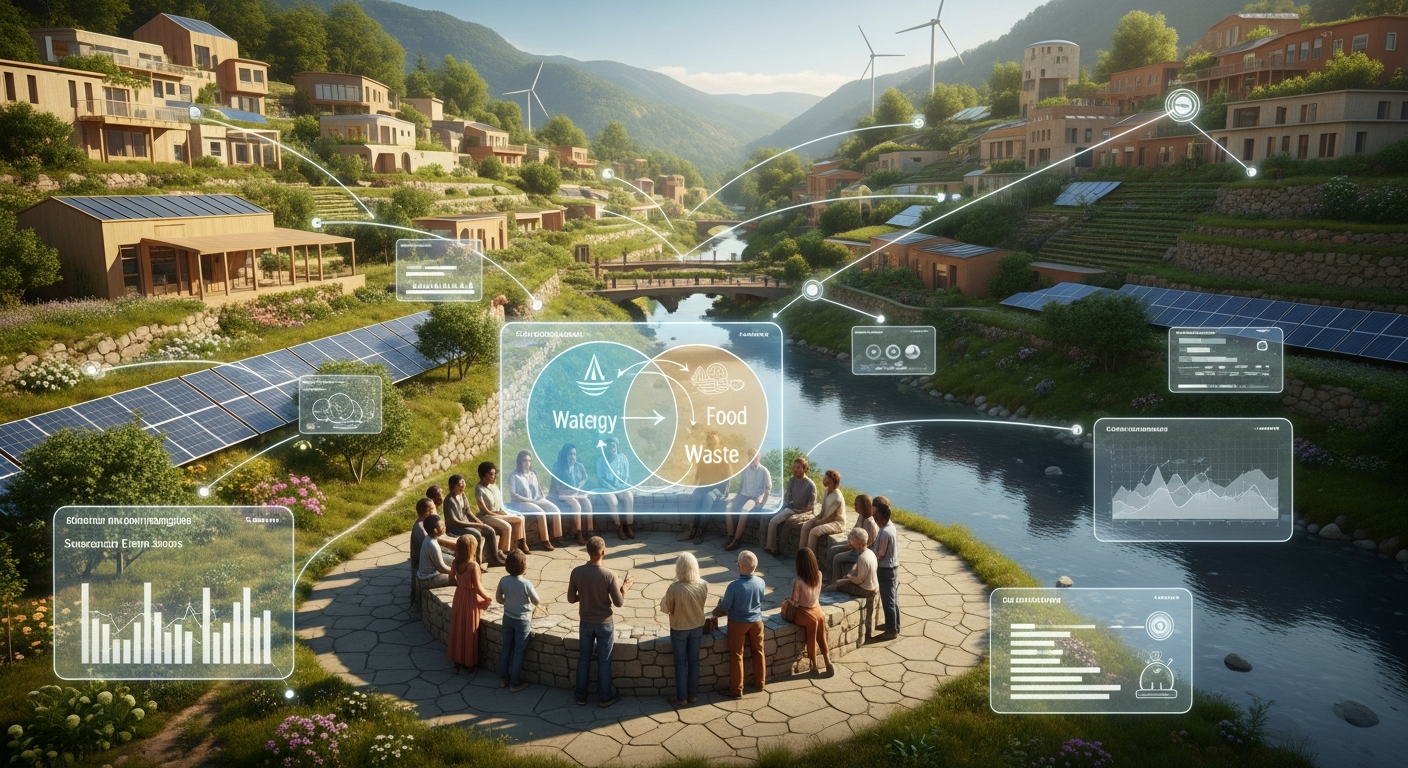
Course Title: Community Governance of Resources Training Course
Executive Summary
This two-week intensive course on Community Governance of Resources equips participants with the essential knowledge and practical skills to effectively manage and protect community resources. Participants will explore governance frameworks, conflict resolution techniques, participatory planning, and sustainable resource management strategies. Through case studies, simulations, and expert-led sessions, the course emphasizes community empowerment, transparency, and accountability. It addresses challenges related to resource access, equitable distribution, and environmental sustainability. The program builds competencies in policy advocacy, community mobilization, and collaborative partnerships, enabling participants to foster resilient and self-governing communities capable of preserving their natural and cultural heritage while promoting sustainable development. Graduates will be catalysts for positive change, fostering responsible stewardship and ensuring long-term resource security.
Introduction
Effective community governance of resources is crucial for sustainable development, environmental protection, and social equity. Many communities worldwide depend on natural resources for their livelihoods, cultural identity, and overall well-being. However, these resources are often threatened by unsustainable practices, external pressures, and weak governance structures. This Community Governance of Resources Training Course is designed to empower participants with the knowledge, skills, and tools necessary to establish and strengthen community-based resource management systems. The course recognizes that effective governance requires a participatory approach, involving all stakeholders in decision-making processes and ensuring equitable access to resources. It emphasizes the importance of building local capacity, promoting transparency and accountability, and fostering collaboration among community members, government agencies, and other relevant actors. Through this training, participants will learn how to develop and implement community-based resource management plans that promote sustainability, resilience, and social justice, ultimately contributing to the long-term well-being of their communities.
Course Outcomes
- Understand the principles of community-based resource governance.
- Develop skills in participatory planning and decision-making.
- Apply conflict resolution techniques in resource management.
- Design and implement sustainable resource management strategies.
- Promote transparency and accountability in resource governance.
- Build effective partnerships for community resource management.
- Advocate for policies that support community resource rights.
Training Methodologies
- Interactive lectures and presentations
- Case study analysis and group discussions
- Role-playing and simulation exercises
- Participatory planning workshops
- Field visits to community resource management sites
- Expert panel discussions
- Action planning and project development
Benefits to Participants
- Enhanced knowledge of community governance principles
- Improved skills in participatory planning and decision-making
- Greater confidence in applying conflict resolution techniques
- Ability to design and implement sustainable resource management strategies
- Increased capacity to promote transparency and accountability
- Expanded network of contacts in the resource management field
- Certification in community governance of resources
Benefits to Sending Organization
- Strengthened capacity for community-based resource management
- Improved community relations and social responsibility
- Enhanced compliance with environmental regulations
- Increased efficiency in resource utilization
- Reduced conflicts over resource access
- Improved monitoring and evaluation of resource management projects
- Enhanced organizational reputation and credibility
Target Participants
- Community leaders and representatives
- Resource management professionals
- Government officials involved in resource management
- NGO staff working on community development
- Environmental activists and advocates
- Researchers and academics studying community governance
- Indigenous community representatives
WEEK 1: Foundations of Community Resource Governance
Module 1: Introduction to Community Resource Governance
- Defining community resources and their importance
- Principles of community-based resource management
- Legal and policy frameworks for resource governance
- Role of communities in resource management
- Challenges and opportunities in community governance
- Ethical considerations in resource management
- Case study: Successful community resource governance initiatives
Module 2: Participatory Planning and Decision-Making
- Principles of participatory planning
- Techniques for stakeholder engagement
- Community needs assessment methodologies
- Developing community resource management plans
- Setting goals and objectives for resource management
- Monitoring and evaluation of resource management plans
- Workshop: Developing a participatory resource management plan
Module 3: Conflict Resolution in Resource Management
- Understanding the causes of resource conflicts
- Techniques for conflict prevention and resolution
- Mediation and negotiation skills
- Facilitating community dialogues
- Building trust and collaboration among stakeholders
- Developing conflict resolution mechanisms
- Role-playing: Conflict resolution simulation exercise
Module 4: Sustainable Resource Management Strategies
- Principles of sustainable resource management
- Integrated resource management approaches
- Conservation and restoration techniques
- Promoting sustainable livelihoods
- Climate change adaptation and mitigation
- Ecosystem-based management
- Case study: Sustainable resource management practices
Module 5: Legal and Policy Frameworks
- Understanding international environmental law
- National laws and regulations related to resource management
- Community rights and resource tenure
- Policy advocacy and lobbying
- Developing community by-laws
- Enforcement of resource management regulations
- Guest Lecture: Legal frameworks and community resource governance
WEEK 2: Implementing and Sustaining Community Resource Governance
Module 6: Promoting Transparency and Accountability
- Principles of transparency and accountability
- Access to information and public participation
- Financial management and auditing
- Corruption prevention and control
- Whistleblower protection mechanisms
- Community monitoring of resource management activities
- Developing a transparency and accountability framework
Module 7: Building Effective Partnerships
- Identifying key stakeholders
- Developing partnership agreements
- Collaborative resource management models
- Networking and communication strategies
- Working with government agencies and NGOs
- Public-private partnerships
- Case study: Successful partnerships in resource management
Module 8: Monitoring and Evaluation of Resource Management
- Developing indicators for resource management
- Data collection and analysis techniques
- Participatory monitoring and evaluation
- Reporting and communication of results
- Adaptive management strategies
- Using technology for monitoring and evaluation
- Workshop: Developing a monitoring and evaluation plan
Module 9: Community Mobilization and Advocacy
- Community organizing principles
- Effective communication strategies
- Lobbying and advocacy techniques
- Media relations and public awareness campaigns
- Building a strong community voice
- Influencing policy decisions
- Developing an advocacy strategy
Module 10: Project Development and Funding
- Identifying funding opportunities
- Developing project proposals
- Budgeting and financial management
- Project implementation and management
- Reporting to donors
- Sustainability planning
- Workshop: Developing a community resource management project proposal
Action Plan for Implementation
- Conduct a community resource assessment to identify key challenges and opportunities.
- Develop a participatory resource management plan with clear goals and objectives.
- Establish a community resource management committee to oversee implementation.
- Secure funding for resource management projects through grants or partnerships.
- Implement sustainable resource management practices based on local knowledge and scientific data.
- Monitor and evaluate the effectiveness of resource management activities regularly.
- Share lessons learned and best practices with other communities and stakeholders.
Course Features
- Lecture 0
- Quiz 0
- Skill level All levels
- Students 0
- Certificate No
- Assessments Self

You May Like

Advanced Population Ecology and Demographics
Course Title: Advanced Population Ecology and Demographics Executive Summary This intensive two-week course on Advanced Population Ecology and Demographics equips participants with advanced quantitative and...

Applied Conservation Genetics for Species Management
Course Title: Applied Conservation Genetics for Species Management Executive Summary This two-week intensive course on Applied Conservation Genetics for Species Management bridges the gap between...

Threatened Species Recovery and Reintroduction Programs
Course Title: Threatened Species Recovery and Reintroduction Programs Executive Summary This intensive two-week course provides a comprehensive framework for designing, implementing, and managing recovery plans...

Landscape Ecology and Connectivity Science Training Course
Course Title: Landscape Ecology and Connectivity Science Training Course Executive Summary This intensive two-week executive course on Landscape Ecology and Connectivity Science is designed to...

Biodiversity Hotspot Conservation and Management
Course Title: Biodiversity Hotspot Conservation and Management Executive Summary This intensive two-week course on Biodiversity Hotspot Conservation and Management equips participants with the knowledge and...




