
Bioacoustics for Elephant Communication Training Course
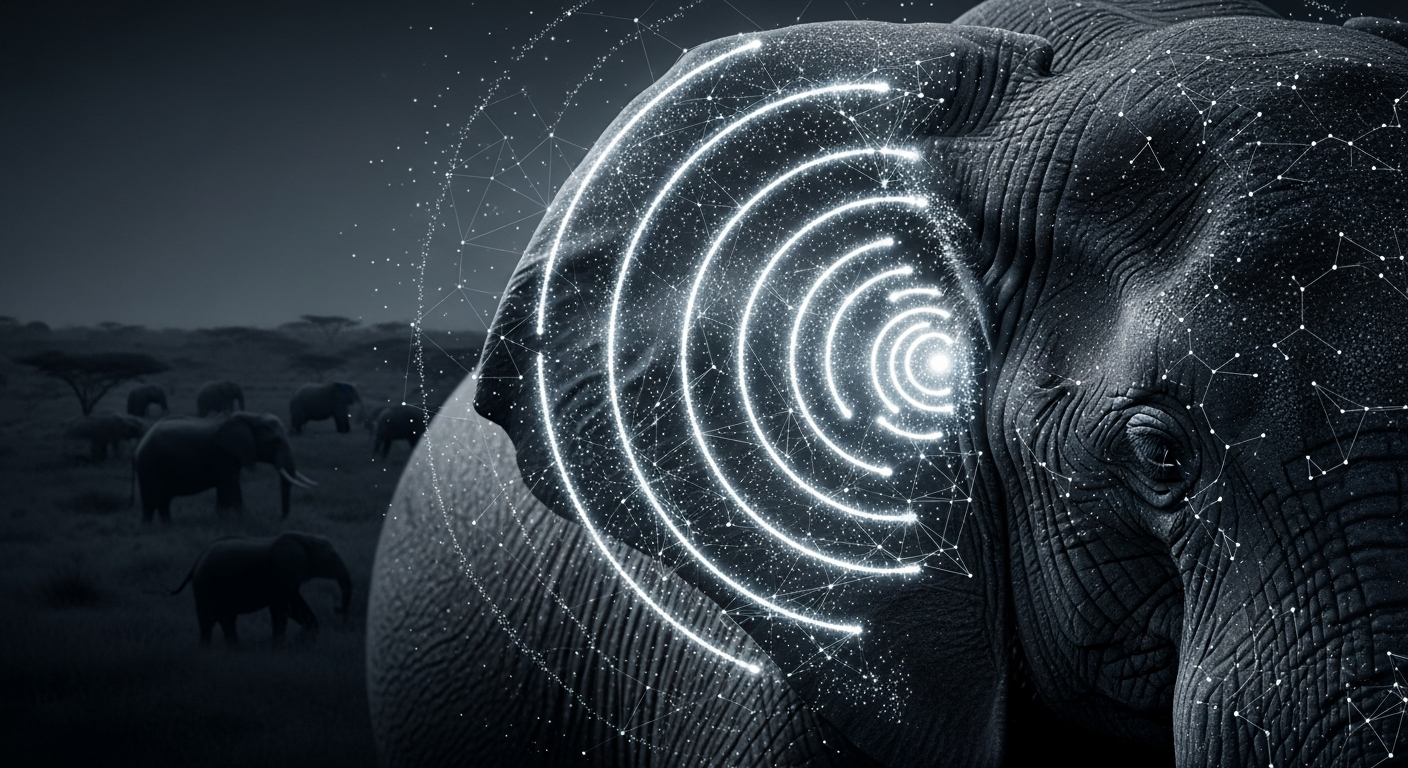
Course Title: Bioacoustics for Elephant Communication Training Course
Executive Summary
This two-week intensive course provides a comprehensive understanding of bioacoustics as it applies to elephant communication. Participants will learn the fundamentals of acoustic signal analysis, elephant vocal repertoire, and the ecological context of their communication. The course combines theoretical knowledge with hands-on experience in recording, analyzing, and interpreting elephant vocalizations. It explores the applications of bioacoustics in elephant conservation, management, and research, emphasizing the ethical considerations of acoustic monitoring. Upon completion, participants will be equipped to contribute to the study and protection of elephants through advanced bioacoustic techniques, furthering the understanding of these intelligent creatures.
Introduction
Elephants, vital to ecosystem health, communicate using a complex range of vocalizations, infrasound, and seismic signals. Understanding these communication methods is essential for effective conservation and management. This Bioacoustics for Elephant Communication Training Course offers participants a unique opportunity to delve into the science of elephant bioacoustics. The course covers the fundamental principles of acoustics, sound recording techniques, and signal analysis methods, specifically tailored for elephant communication studies. It will provide a practical approach to data collection, analysis, and interpretation. This course aims to empower participants with the knowledge and skills necessary to conduct independent research, contribute to conservation efforts, and promote informed decision-making regarding elephant populations and their habitats. The skills learned in this course will promote elephant welfare through improved understanding.
Course Outcomes
- Understand the principles of bioacoustics and their application to elephant communication.
- Identify and classify different types of elephant vocalizations.
- Employ appropriate techniques for recording elephant sounds in the field.
- Analyze acoustic data using specialized software and statistical methods.
- Interpret the meaning and context of elephant communication signals.
- Apply bioacoustic knowledge to elephant conservation and management.
- Understand the ethical considerations of using bioacoustics in elephant research.
Training Methodologies
- Interactive lectures and presentations
- Hands-on recording sessions in the field
- Acoustic data analysis workshops
- Case study discussions and group projects
- Expert guest lectures from leading bioacousticians
- Software training on acoustic analysis tools
- Individual project assignments
Benefits to Participants
- Develop expertise in elephant bioacoustics and communication.
- Gain practical skills in recording, analyzing, and interpreting elephant vocalizations.
- Enhance career prospects in elephant conservation and research.
- Contribute to scientific knowledge and conservation efforts.
- Network with leading experts in the field.
- Receive a certificate of completion recognizing specialized training.
- Acquire tools for informed decision-making in elephant management.
Benefits to Sending Organization
- Enhanced staff expertise in elephant conservation and research.
- Improved data collection and analysis capabilities.
- Increased capacity for evidence-based decision-making.
- Strengthened partnerships with researchers and conservation organizations.
- Enhanced reputation for commitment to elephant welfare.
- Increased ability to address human-elephant conflict.
- Improved monitoring capabilities of elephant populations.
Target Participants
- Wildlife biologists and conservationists
- Researchers studying animal communication
- Elephant managers and caretakers
- Zoo and sanctuary staff
- Veterinarians working with elephants
- Acoustic engineers specializing in bioacoustics
- Students pursuing degrees in relevant fields
Week 1: Fundamentals of Bioacoustics and Elephant Communication
Module 1: Introduction to Bioacoustics
- Definition and scope of bioacoustics
- Basic principles of sound and acoustics
- Sound propagation in different environments
- Acoustic measurement units and terminology
- Introduction to acoustic recording equipment
- Ethical considerations in bioacoustic research
- Overview of elephant bioacoustics
Module 2: Elephant Vocal Repertoire
- Overview of elephant species and their social structure
- Types of elephant vocalizations (rumbles, trumpets, roars, etc.)
- Function and context of different vocalizations
- Individual and population variation in vocalizations
- Development of vocalizations in young elephants
- Role of vocalizations in social bonding and communication
- Vocal learning and cultural transmission in elephants
Module 3: Recording Elephant Sounds
- Types of microphones and recorders for bioacoustics
- Field techniques for recording elephant vocalizations
- Considerations for recording in different habitats
- Minimizing noise and artifacts in recordings
- Proper microphone placement and calibration
- Data management and archiving
- Safety protocols for working with elephants
Module 4: Introduction to Acoustic Analysis Software
- Overview of acoustic analysis software (e.g., Raven, Audacity)
- Basic functions of the software
- Loading and displaying acoustic data
- Spectrogram analysis and visualization
- Measurement of acoustic parameters (frequency, duration, amplitude)
- Filtering and noise reduction techniques
- Introduction to acoustic databases and libraries
Module 5: Field Recording Practice
- Practical session recording ambient sounds.
- Practice identifying sources of background noise.
- Hands-on training with recording equipment.
- Recording animal vocalization practice.
- Data organization and labeling.
- Team collaboration and communication.
- Troubleshooting equipment issues.
Week 2: Advanced Analysis and Applications
Module 6: Advanced Acoustic Analysis Techniques
- Spectrogram cross-correlation and pattern recognition
- Automatic call detection and classification
- Acoustic localization techniques
- Statistical analysis of acoustic parameters
- Machine learning applications in bioacoustics
- Advanced filtering and signal processing techniques
- Analysis of infrasound and seismic signals
Module 7: Elephant Communication in Different Contexts
- Communication during social interactions (e.g., dominance, aggression)
- Communication during mating and reproduction
- Communication between mothers and calves
- Communication during alarm and danger
- Communication during foraging and movement
- Influence of habitat and environment on communication
- Long-distance communication using infrasound
Module 8: Applications of Bioacoustics in Elephant Conservation
- Monitoring elephant populations using acoustic surveys
- Detecting and mitigating human-elephant conflict using acoustic deterrents
- Assessing the impact of noise pollution on elephant communication
- Using bioacoustics to understand elephant behavior and ecology
- Developing conservation strategies based on acoustic data
- Tracking illegal hunting activities using acoustic sensors
- Using bioacoustics in conservation education and outreach
Module 9: Data Interpretation and Presentation
- Statistical analysis of acoustic data.
- Creating graphs and charts.
- Writing scientific reports.
- Presenting findings to stakeholders.
- Communicating complex information effectively.
- Addressing challenges in data interpretation.
- Ethical considerations in data sharing.
Module 10: Project Presentations and Course Wrap-up
- Participant project presentations.
- Feedback and discussion.
- Review of key concepts.
- Future research directions.
- Networking opportunities.
- Certificate distribution.
- Course evaluation and feedback.
Action Plan for Implementation
- Develop a research proposal focusing on a specific aspect of elephant bioacoustics.
- Secure funding and permits for research activities.
- Establish collaborations with relevant researchers and organizations.
- Collect acoustic data in the field using appropriate techniques.
- Analyze data using specialized software and statistical methods.
- Publish research findings in peer-reviewed journals.
- Disseminate findings to conservation practitioners and policymakers.
Course Features
- Lecture 0
- Quiz 0
- Skill level All levels
- Students 0
- Certificate No
- Assessments Self

You May Like

Advanced Population Ecology and Demographics
Course Title: Advanced Population Ecology and Demographics Executive Summary This intensive two-week course on Advanced Population Ecology and Demographics equips participants with advanced quantitative and...

Applied Conservation Genetics for Species Management
Course Title: Applied Conservation Genetics for Species Management Executive Summary This two-week intensive course on Applied Conservation Genetics for Species Management bridges the gap between...

Threatened Species Recovery and Reintroduction Programs
Course Title: Threatened Species Recovery and Reintroduction Programs Executive Summary This intensive two-week course provides a comprehensive framework for designing, implementing, and managing recovery plans...

Landscape Ecology and Connectivity Science Training Course
Course Title: Landscape Ecology and Connectivity Science Training Course Executive Summary This intensive two-week executive course on Landscape Ecology and Connectivity Science is designed to...

Biodiversity Hotspot Conservation and Management
Course Title: Biodiversity Hotspot Conservation and Management Executive Summary This intensive two-week course on Biodiversity Hotspot Conservation and Management equips participants with the knowledge and...




