
Integrated Animal Behavior and Conservation Management Strategies
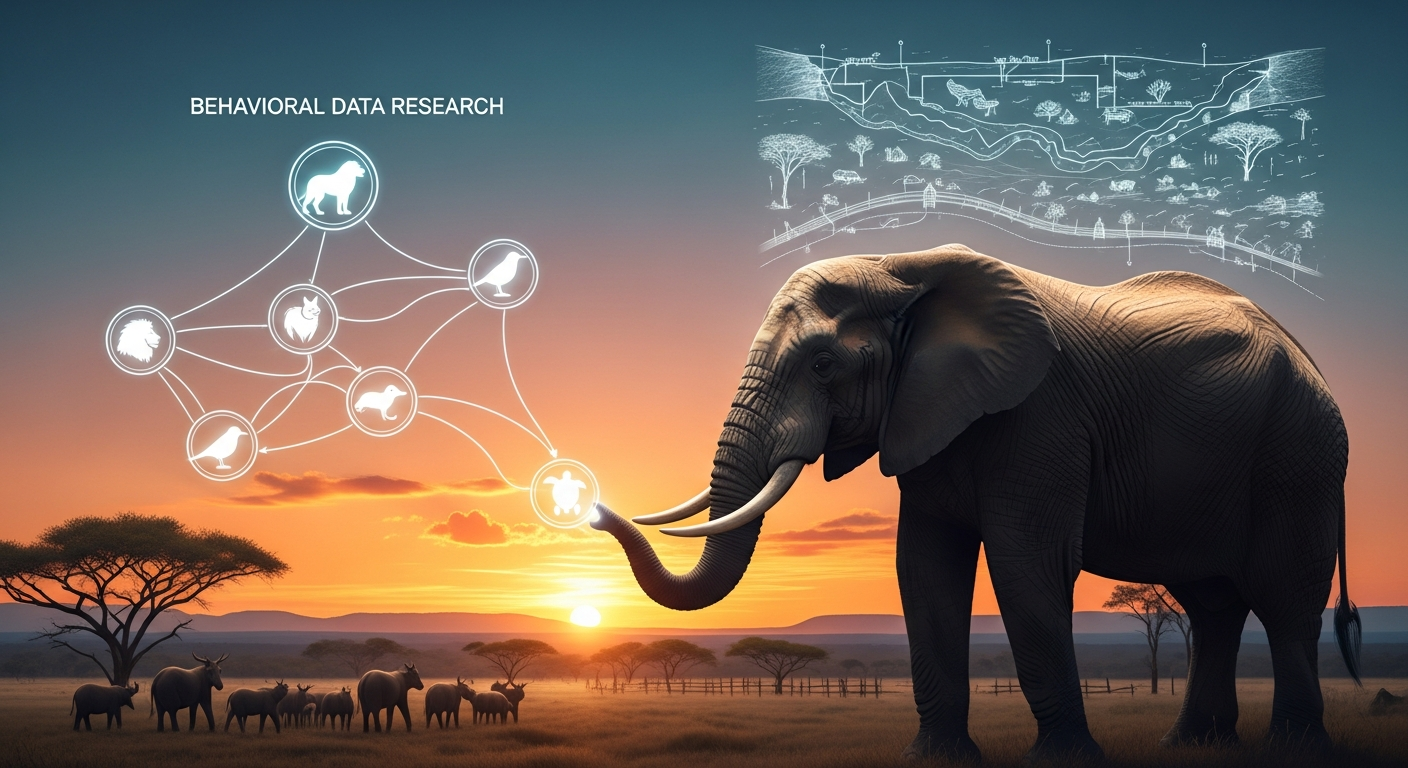
Course Title: Integrated Animal Behavior and Conservation Management Strategies
Executive Summary
This intensive two-week course on Integrated Animal Behavior and Conservation Management Strategies equips participants with a comprehensive understanding of animal behavior principles and their application to conservation challenges. Through a blend of theoretical instruction, case studies, and practical exercises, participants will learn to analyze animal behavior, assess its implications for conservation efforts, and develop effective management strategies. The course emphasizes the integration of behavioral insights with ecological and socio-economic considerations to promote sustainable conservation outcomes. Participants will gain hands-on experience in designing and implementing behavior-based conservation interventions, fostering collaboration across disciplines, and advocating for evidence-based conservation policies. Upon completion, participants will be equipped to lead innovative and effective conservation initiatives that prioritize animal welfare and ecosystem health.
Introduction
Effective conservation management increasingly relies on understanding animal behavior. Traditional approaches often overlook critical behavioral factors influencing species survival, habitat use, and responses to environmental changes. This course, “Integrated Animal Behavior and Conservation Management Strategies,” bridges the gap between behavioral ecology and conservation practice. Participants will explore the theoretical underpinnings of animal behavior, learn to identify behavioral indicators of environmental stress, and develop strategies to mitigate human-wildlife conflict. The course will cover a range of topics, including foraging behavior, social dynamics, reproductive strategies, and behavioral responses to habitat fragmentation and climate change. Through case studies from diverse ecosystems, participants will learn how to integrate behavioral insights into conservation planning, habitat management, and species recovery programs. By fostering interdisciplinary collaboration and promoting evidence-based decision-making, this course aims to equip conservation professionals with the tools and knowledge necessary to address the complex challenges facing wildlife populations today.
Course Outcomes
- Understand the fundamental principles of animal behavior and their relevance to conservation.
- Assess the behavioral impacts of habitat loss, fragmentation, and climate change on wildlife populations.
- Develop and implement behavior-based strategies for mitigating human-wildlife conflict.
- Design effective captive breeding and reintroduction programs based on behavioral considerations.
- Apply behavioral monitoring techniques to assess the effectiveness of conservation interventions.
- Integrate behavioral insights into conservation planning and policy development.
- Foster collaboration between behavioral ecologists, conservation managers, and other stakeholders.
Training Methodologies
- Interactive lectures and discussions
- Case study analysis and group exercises
- Field observation and data collection
- Behavioral modeling and simulation
- Guest lectures from leading experts
- Practical workshops on data analysis and interpretation
- Participatory conservation planning exercises
Benefits to Participants
- Enhanced knowledge of animal behavior and its conservation implications.
- Improved skills in designing and implementing behavior-based conservation strategies.
- Expanded professional network and opportunities for collaboration.
- Increased confidence in addressing complex conservation challenges.
- Greater understanding of the ethical considerations in wildlife management.
- Access to cutting-edge research and best practices in the field.
- Professional development and career advancement opportunities.
Benefits to Sending Organization
- Improved effectiveness of conservation programs and initiatives.
- Enhanced capacity to address human-wildlife conflict and other conservation challenges.
- Increased staff expertise in animal behavior and its application to conservation.
- Greater ability to attract funding and support for conservation projects.
- Improved organizational reputation and credibility.
- Enhanced collaboration and communication between departments.
- Greater impact on biodiversity conservation and ecosystem health.
Target Participants
- Wildlife biologists
- Conservation managers
- Park rangers
- Zookeepers
- Veterinarians
- Environmental educators
- Researchers and academics
Week 1: Foundations of Animal Behavior and Conservation
Module 1: Introduction to Animal Behavior
- Defining animal behavior and its scope
- Evolutionary and ecological perspectives on behavior
- Genetic and environmental influences on behavior
- Methods for studying animal behavior
- Ethical considerations in behavioral research
- Case studies of animal behavior in diverse ecosystems
- Introduction to behavioral ecology
Module 2: Behavioral Ecology and Conservation
- Foraging behavior and habitat selection
- Social behavior and group dynamics
- Reproductive strategies and mate choice
- Communication and signaling in animals
- Behavioral adaptations to environmental change
- The role of behavior in species interactions
- Applying behavioral ecology to conservation problems
Module 3: Human-Wildlife Conflict
- Understanding the causes of human-wildlife conflict
- Behavioral factors influencing conflict interactions
- Methods for assessing and mitigating conflict
- Community-based conservation approaches
- Case studies of conflict management in different regions
- The role of policy and legislation in conflict resolution
- Promoting coexistence between humans and wildlife
Module 4: Behavioral Monitoring and Assessment
- Designing behavioral monitoring programs
- Techniques for observing and recording animal behavior
- Data analysis and interpretation
- Using behavioral indicators to assess conservation effectiveness
- Remote sensing and tracking technologies
- Ethical considerations in behavioral monitoring
- Case studies of behavioral monitoring in conservation
Module 5: Animal Welfare and Conservation
- Defining animal welfare and its importance
- Behavioral indicators of stress and suffering
- Ethical considerations in wildlife management
- Improving animal welfare in captive and wild populations
- The role of animal welfare in conservation success
- Case studies of animal welfare initiatives
- Promoting humane conservation practices
Week 2: Advanced Conservation Strategies and Applications
Module 6: Captive Breeding and Reintroduction
- Behavioral considerations in captive breeding programs
- Optimizing breeding success and genetic diversity
- Preparing animals for reintroduction
- Post-release monitoring and adaptation
- Case studies of successful reintroduction programs
- Addressing behavioral challenges in reintroduction
- The role of behavior in long-term population viability
Module 7: Habitat Management and Restoration
- Understanding behavioral responses to habitat change
- Designing habitat management strategies based on behavioral needs
- Restoring degraded habitats to support wildlife populations
- Mitigating the impacts of habitat fragmentation
- Case studies of habitat management and restoration projects
- The role of connectivity in maintaining behavioral diversity
- Promoting sustainable land use practices
Module 8: Climate Change and Animal Behavior
- Assessing the impacts of climate change on animal behavior
- Behavioral adaptations to changing environments
- Migration patterns and climate change
- Conservation strategies for climate-vulnerable species
- Case studies of behavioral responses to climate change
- The role of assisted migration in conservation
- Reducing the impacts of climate change on wildlife
Module 9: Conservation Planning and Policy
- Integrating behavioral data into conservation planning
- Developing conservation strategies at the species and ecosystem levels
- The role of policy and legislation in conservation
- Advocating for evidence-based conservation policies
- Case studies of successful conservation planning initiatives
- Engaging stakeholders in the conservation process
- Promoting sustainable development and biodiversity conservation
Module 10: Future Directions in Behavioral Conservation
- Emerging technologies for studying animal behavior
- The role of citizen science in conservation research
- Addressing global conservation challenges
- Promoting interdisciplinary collaboration
- Building capacity for behavioral conservation
- Developing innovative conservation solutions
- Inspiring the next generation of conservation leaders
Action Plan for Implementation
- Conduct a behavioral assessment of a local wildlife population.
- Develop a strategy for mitigating human-wildlife conflict in a specific area.
- Implement a behavioral monitoring program to assess the effectiveness of a conservation intervention.
- Collaborate with local communities to promote sustainable conservation practices.
- Advocate for policies that protect wildlife habitat and promote animal welfare.
- Share your knowledge and skills with others through training and outreach activities.
- Stay informed about the latest research and best practices in behavioral conservation.
Course Features
- Lecture 0
- Quiz 0
- Skill level All levels
- Students 0
- Certificate No
- Assessments Self

You May Like

Advanced Population Ecology and Demographics
Course Title: Advanced Population Ecology and Demographics Executive Summary This intensive two-week course on Advanced Population Ecology and Demographics equips participants with advanced quantitative and...

Applied Conservation Genetics for Species Management
Course Title: Applied Conservation Genetics for Species Management Executive Summary This two-week intensive course on Applied Conservation Genetics for Species Management bridges the gap between...

Threatened Species Recovery and Reintroduction Programs
Course Title: Threatened Species Recovery and Reintroduction Programs Executive Summary This intensive two-week course provides a comprehensive framework for designing, implementing, and managing recovery plans...

Landscape Ecology and Connectivity Science Training Course
Course Title: Landscape Ecology and Connectivity Science Training Course Executive Summary This intensive two-week executive course on Landscape Ecology and Connectivity Science is designed to...

Biodiversity Hotspot Conservation and Management
Course Title: Biodiversity Hotspot Conservation and Management Executive Summary This intensive two-week course on Biodiversity Hotspot Conservation and Management equips participants with the knowledge and...




