
Livestock Predation and Coexistence Strategies: Integrated Management for Sustainability
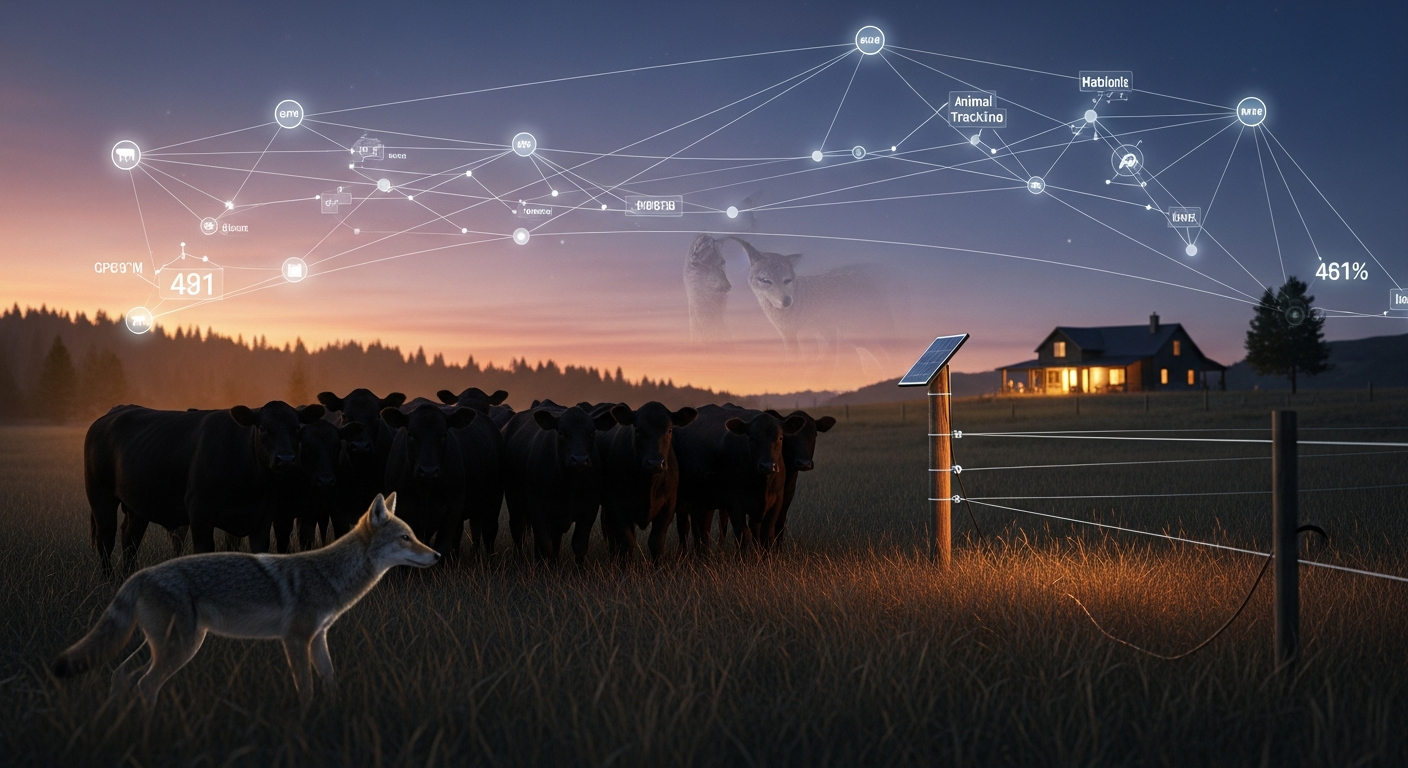
Course Title: Livestock Predation and Coexistence Strategies: Integrated Management for Sustainability
Executive Summary
This intensive two-week course on Livestock Predation and Coexistence Strategies addresses the critical intersection between agricultural viability and wildlife conservation. Designed for field professionals and decision-makers, the program provides a comprehensive toolkit for managing human-wildlife conflict (HWC) with a focus on sustainable, non-lethal mitigation techniques. Participants will examine predator behavior, livestock husbandry adjustments, and the application of modern technology in deterrent systems. The curriculum emphasizes moving beyond reactive lethal control toward proactive, integrated management plans that foster coexistence. Through a blend of ecological theory, forensic investigation training, and sociological conflict resolution frameworks, attendees will learn to assess predation risks accurately and implement site-specific solutions. By bridging the gap between pastoral livelihoods and biodiversity goals, this course empowers stakeholders to reduce economic losses, enhance social tolerance for wildlife, and navigate complex regulatory environments effectively.
Introduction
The escalation of human-wildlife conflict poses a significant threat to both rural livelihoods and global biodiversity conservation. As human populations expand and wildlife habitats fragment, the interface between livestock and predators becomes a flashpoint for economic loss and retaliatory killing. Effective management of livestock predation requires a paradigm shift from traditional eradication methods to holistic Coexistence Strategies that are scientifically sound, economically viable, and socially acceptable.This course, Livestock Predation and Coexistence Strategies, offers a multidisciplinary approach to managing these complex dynamics. It is designed to equip participants with the theoretical knowledge and practical skills necessary to mitigate predation events while adhering to legal and ethical standards. The training delves into the ecology of major predator species, analyzing their hunting behaviors and seasonal patterns to predict and prevent attacks. It critically evaluates a spectrum of mitigation tools, from traditional husbandry practices and livestock guardian animals to cutting-edge electronic deterrents and fencing technologies.Furthermore, technical solutions alone are insufficient without addressing the human dimension. The curriculum places a strong emphasis on community engagement, stakeholder negotiation, and the psychology of conflict. Participants will explore policy frameworks, compensation schemes, and insurance models that support farmers. Through forensic training, attendees will also learn to distinguish between predation and scavenging, ensuring data accuracy and appropriate response. By the end of the two weeks, professionals will be capable of designing Integrated Predation Management (IPM) plans that secure livestock assets while maintaining ecological integrity.
Course Outcomes
- Identify key predator species and interpret their ecological behaviors and hunting strategies.
- Design and implement effective non-lethal deterrent systems suited to specific terrains.
- Apply forensic necropsy techniques to distinguish predation from natural livestock mortality.
- Develop Integrated Predation Management (IPM) plans tailored to local agricultural contexts.
- Navigate legal frameworks and compensation policies regarding wildlife and agriculture.
- Facilitate conflict resolution and stakeholder dialogue in high-tension communities.
- Evaluate the cost-benefit analysis of various mitigation investments and strategies.
Training Methodologies
- Expert-led lectures on predator ecology and conflict dynamics.
- Field simulations for forensic investigation and kill-site analysis.
- Case study analysis of successful coexistence projects globally.
- Practical workshops on deploying deterrent technologies and fencing.
- Role-playing exercises for community mediation and conflict resolution.
- Peer-to-peer learning and experience sharing sessions.
- Group projects to design comprehensive farm management plans.
Benefits to Participants
- Acquisition of specialized skills in predator forensics and identification.
- Enhanced capability to protect livestock assets and reduce financial losses.
- Access to a global network of HWC experts and practitioners.
- Understanding of the latest technological innovations in predator deterrence.
- Improved confidence in mediating conflicts between farmers and conservationists.
- Certification in integrated wildlife-livestock management strategies.
- Practical tools for navigating policy and accessing government support mechanisms.
Benefits to Sending Organization
- Reduction in compensation claims and associated financial burdens.
- Improved community relations and trust in conservation initiatives.
- Enhanced data accuracy regarding predation incidents and trends.
- Compliance with national and international biodiversity regulations.
- Development of sustainable, long-term conflict mitigation strategies.
- Increased staff safety and professional competence in field operations.
- Contribution to broader ecosystem health and conservation targets.
Target Participants
- Wildlife Managers and Park Rangers.
- Agricultural Extension Officers and Farm Advisors.
- Livestock Association Leaders and Ranch Managers.
- Conservation NGO Field Staff and Project Coordinators.
- Environmental Policy Makers and Government Planners.
- Ecological Researchers focusing on HWC.
- Insurance Adjusters and Compensation Officers.
WEEK 1: WEEK 1: Ecological Foundations and Mitigation Tools
Module 1 – Predator Ecology and Behavior
- Overview of major predator guilds (canids, felids, ursids).
- Hunting strategies, territory marking, and seasonal movements.
- Prey selection dynamics and kill triggers.
- Ecological roles of apex predators in landscapes.
- Habituation and food conditioning risks.
- Impact of landscape fragmentation on predator behavior.
- Tracking and sign identification workshop.
Module 2 – Principles of Husbandry and Infrastructure
- Traditional vs. modern livestock husbandry practices.
- Predator-proof fencing designs and electrification.
- Night corrals (bomas/kraals) and enclosure fortification.
- Lambing/calving season management strategies.
- Herding techniques and human presence impact.
- Carcass management and sanitation to reduce attractants.
- Cost-benefit analysis of infrastructure investments.
Module 3 – Livestock Guardian Animals (LGAs)
- History and breeds of Livestock Guardian Dogs (LGDs).
- Alternative guardian species: Donkeys, Alpacas, Llamas.
- Selection, bonding, and training protocols for LGDs.
- Health, nutrition, and welfare of working animals.
- Troubleshooting behavioral issues in guardians.
- LGA interactions with wildlife and humans.
- Case studies: Successes and failures in LGA deployment.
Module 4 – Electronic and Sensory Deterrents
- Visual deterrents: Fladry, foxlights, and strobes.
- Auditory deterrents: Bio-acoustics and alarms.
- Olfactory repellents and chemical deterrents.
- Digital collars and geo-fencing technologies.
- Use of drones for monitoring and deterrence.
- Habituation avoidance and randomization techniques.
- Technological maintenance and power requirements.
Module 5 – Integrated Predation Management (IPM)
- Defining IPM: Combining tools for additive effect.
- The predator management hierarchy of intervention.
- Assessing vulnerability and risk mapping.
- Adaptive management: Monitoring and adjusting tactics.
- Seasonal planning for high-risk periods.
- Integration of lethal and non-lethal methods.
- Group Exercise: Designing an IPM for a hypothetical ranch.
WEEK 2: WEEK 2: Forensics, Policy, and Community Engagement
Module 6 – Forensic Investigation of Livestock Loss
- Distinguishing predation from scavenging and natural death.
- Kill site analysis and evidence preservation.
- Diagnostic bite marks and feeding patterns by species.
- Standardized necropsy protocols and safety.
- DNA sampling and laboratory coordination.
- Reporting standards for compensation claims.
- Practical Lab: Simulated necropsy and evidence gathering.
Module 7 – Human Dimensions and Conflict Resolution
- Psychology of loss and social tolerance for wildlife.
- Drivers of conflict: Economic, cultural, and political.
- Stakeholder mapping and power dynamics.
- Mediation techniques for hostile environments.
- Building trust between agencies and communities.
- Communication strategies for HWC incidents.
- Role-play: Town hall meeting simulation.
Module 8 – Policy, Law, and Economic Instruments
- National and international wildlife protection laws.
- Legal rights of landowners regarding defense of property.
- Design and efficacy of compensation schemes.
- Performance payments and conservation subsidies.
- Livestock insurance models for predation.
- Labeling and certification (e.g., Predator-Friendly Wool).
- Navigating bureaucratic procedures for support.
Module 9 – Lethal Control and Ethical Considerations
- Ethics of lethal control in conservation.
- Selective removal vs. population reduction.
- Legal methods: Trapping, shooting, and toxicants.
- Risks of lethal control: Social disruption and compensatory breeding.
- Target specificity and minimizing by-catch.
- Euthanasia protocols and animal welfare.
- Public perception and media management of lethal control.
Module 10 – Strategic Planning and Course Capstone
- Synthesizing ecology, technology, and sociology.
- Developing institutional HWC policies.
- Monitoring and Evaluation (M&E) for mitigation projects.
- Data management and incident reporting systems.
- Funding and grant writing for coexistence projects.
- Building a community of practice.
- Capstone Presentation: Regional Action Plan development.
Action Plan for Implementation
- Conduct a baseline assessment of local predation rates and economic impact.
- Map high-risk zones and seasonal conflict hotspots.
- Engage key stakeholders to form a coexistence working group.
- Select and procure appropriate non-lethal mitigation tools for pilot sites.
- Establish a standardized forensic reporting protocol for incident verification.
- Train field staff and farmers on the proper use of implemented technologies.
- Review conflict data quarterly to adapt strategies and report to management.
Course Features
- Lecture 0
- Quiz 0
- Skill level All levels
- Students 0
- Certificate No
- Assessments Self

You May Like

Advanced Population Ecology and Demographics
Course Title: Advanced Population Ecology and Demographics Executive Summary This intensive two-week course on Advanced Population Ecology and Demographics equips participants with advanced quantitative and...

Applied Conservation Genetics for Species Management
Course Title: Applied Conservation Genetics for Species Management Executive Summary This two-week intensive course on Applied Conservation Genetics for Species Management bridges the gap between...

Threatened Species Recovery and Reintroduction Programs
Course Title: Threatened Species Recovery and Reintroduction Programs Executive Summary This intensive two-week course provides a comprehensive framework for designing, implementing, and managing recovery plans...

Landscape Ecology and Connectivity Science Training Course
Course Title: Landscape Ecology and Connectivity Science Training Course Executive Summary This intensive two-week executive course on Landscape Ecology and Connectivity Science is designed to...

Biodiversity Hotspot Conservation and Management
Course Title: Biodiversity Hotspot Conservation and Management Executive Summary This intensive two-week course on Biodiversity Hotspot Conservation and Management equips participants with the knowledge and...




