
The Role of Indigenous Knowledge in Conservation: Integrating Traditional Wisdom and Modern Science
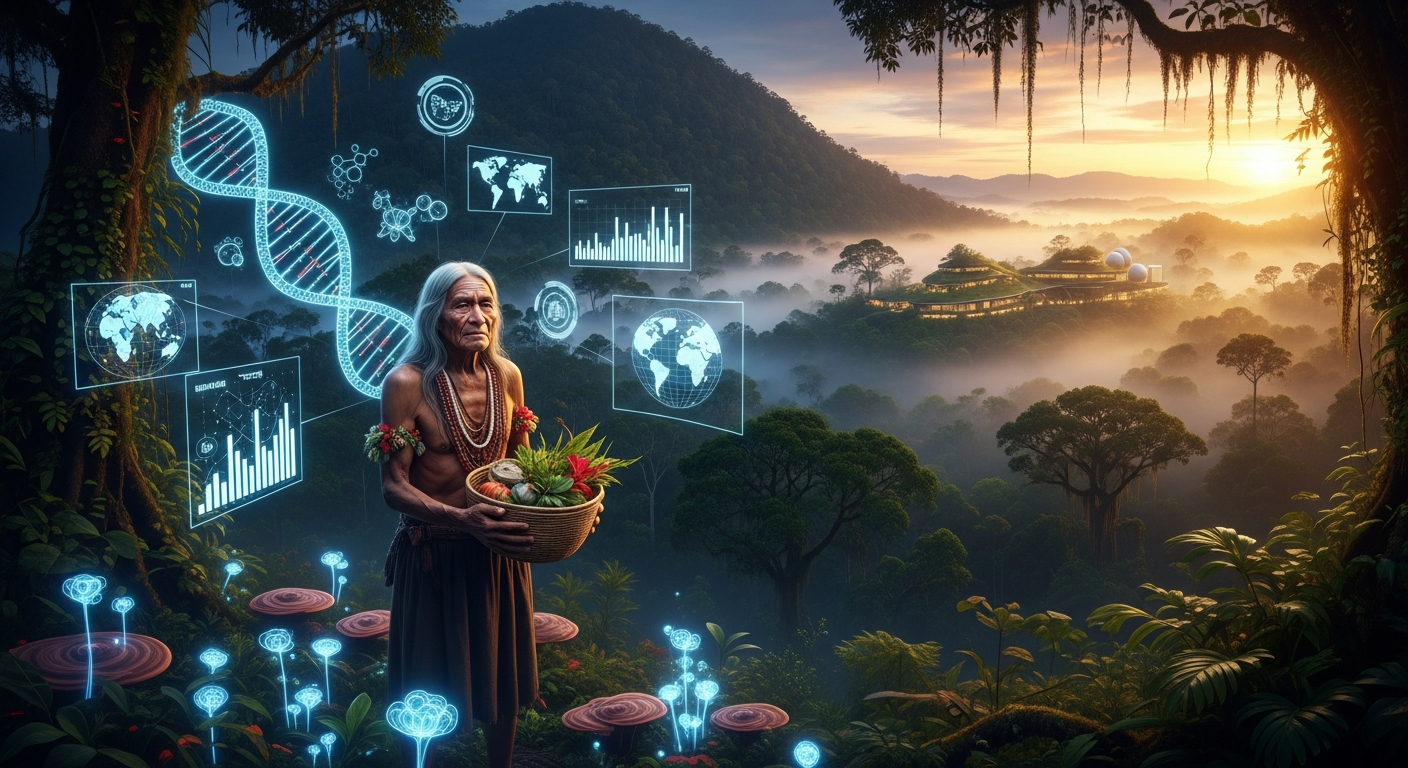
Course Title: The Role of Indigenous Knowledge in Conservation: Integrating Traditional Wisdom and Modern Science
Executive Summary
This two-week intensive course explores the critical role of Indigenous Knowledge (IK) in enhancing conservation efforts. Participants will learn how integrating IK with modern scientific approaches can lead to more effective, equitable, and sustainable conservation outcomes. The course covers topics such as traditional ecological knowledge, community-based conservation, participatory research methods, and ethical considerations in working with Indigenous communities. Through case studies, interactive discussions, and practical exercises, participants will develop skills to bridge the gap between IK and Western science, fostering collaborative conservation practices that respect Indigenous rights and contribute to biodiversity preservation and sustainable resource management.
Introduction
Conservation strategies worldwide are increasingly recognizing the invaluable contributions of Indigenous Knowledge (IK) in protecting biodiversity and managing natural resources sustainably. IK, accumulated over generations through direct interaction with the environment, offers unique insights into ecological processes, species behavior, and sustainable resource use practices. Integrating IK with modern scientific approaches can lead to more comprehensive and effective conservation outcomes, while also respecting Indigenous rights and cultural values. This course aims to equip conservation professionals with the knowledge and skills necessary to effectively incorporate IK into their work, fostering collaborative partnerships with Indigenous communities and promoting culturally sensitive conservation practices. By understanding the principles, methodologies, and ethical considerations involved in working with IK, participants will be able to bridge the gap between traditional wisdom and modern science, contributing to more equitable and sustainable conservation solutions.
Course Outcomes
- Understand the principles and value of Indigenous Knowledge in conservation.
- Identify and apply traditional ecological knowledge to conservation challenges.
- Develop strategies for community-based conservation that respect Indigenous rights.
- Learn participatory research methods for engaging with Indigenous communities.
- Address ethical considerations in integrating IK with modern science.
- Design collaborative conservation projects that bridge IK and Western science.
- Promote culturally sensitive and equitable conservation practices.
Training Methodologies
- Interactive lectures and presentations
- Case study analysis and group discussions
- Participatory workshops and practical exercises
- Guest lectures from Indigenous Knowledge holders and conservation experts
- Field visits to community-based conservation projects (if feasible)
- Role-playing simulations of collaborative conservation scenarios
- Individual and group project assignments
Benefits to Participants
- Enhanced understanding of Indigenous Knowledge and its relevance to conservation.
- Improved skills in participatory research and community engagement.
- Increased ability to design and implement culturally sensitive conservation projects.
- Expanded professional network with Indigenous leaders and conservation experts.
- Greater awareness of ethical considerations in working with Indigenous communities.
- Enhanced career opportunities in conservation and sustainable development.
- Personal growth through cross-cultural learning and exchange.
Benefits to Sending Organization
- Strengthened capacity to integrate Indigenous Knowledge into conservation programs.
- Improved relationships with Indigenous communities and stakeholders.
- Enhanced effectiveness of conservation initiatives through community participation.
- Increased credibility and legitimacy in conservation efforts.
- Greater alignment with international standards and best practices in Indigenous rights.
- Enhanced organizational reputation as a leader in sustainable conservation.
- Improved employee morale and engagement through culturally sensitive workplace practices.
Target Participants
- Conservation managers and practitioners
- Protected area staff and rangers
- Researchers and scientists
- Policy makers and government officials
- NGO staff working in conservation and development
- Indigenous leaders and community representatives
- Students and academics in related fields
Week 1: Foundations of Indigenous Knowledge in Conservation
Module 1: Introduction to Indigenous Knowledge
- Definitions and concepts of Indigenous Knowledge (IK)
- Historical context and evolution of IK systems
- The importance of IK for biodiversity conservation
- Cultural diversity and variability of IK across different regions
- Relationship between IK and sustainable resource management
- Overview of legal frameworks and international agreements related to IK
- Case study: Successful IK-based conservation initiatives
Module 2: Traditional Ecological Knowledge (TEK)
- Principles of Traditional Ecological Knowledge (TEK)
- Understanding ecological processes through TEK
- TEK and its application to species identification and monitoring
- TEK in natural resource management (e.g., fisheries, forestry, agriculture)
- TEK for climate change adaptation and mitigation
- Documenting and preserving TEK for future generations
- Workshop: Identifying and mapping local ecological indicators using TEK
Module 3: Community-Based Conservation
- Principles of community-based conservation (CBC)
- The role of Indigenous communities in conservation governance
- Designing and implementing CBC projects
- Benefit-sharing mechanisms and equitable resource access
- Addressing conflicts and power dynamics in CBC
- Monitoring and evaluating CBC outcomes
- Case study: Successful community-based conservation initiatives led by Indigenous communities
Module 4: Participatory Research Methods
- Principles of participatory research
- Ethical considerations in conducting research with Indigenous communities
- Free, Prior, and Informed Consent (FPIC)
- Methods for gathering and analyzing IK data
- Participatory mapping and GIS
- Community-based monitoring and evaluation
- Workshop: Developing a participatory research protocol
Module 5: Indigenous Governance and Land Rights
- Indigenous governance systems and structures
- Land tenure and resource rights of Indigenous communities
- Legal and policy frameworks for protecting Indigenous land rights
- The role of Indigenous land management in conservation
- Addressing land conflicts and promoting reconciliation
- Case studies of successful Indigenous land management practices
- Group discussion: Challenges and opportunities for securing Indigenous land rights
Week 2: Integrating Indigenous Knowledge and Modern Science for Conservation
Module 6: Bridging IK and Western Science
- Identifying common ground and differences between IK and Western science
- Building trust and communication between scientists and Indigenous communities
- Collaborative research approaches and knowledge co-production
- Addressing biases and power imbalances in research
- Developing culturally appropriate communication strategies
- Case study: Successful integration of IK and Western science in conservation
- Role play: Negotiating a research agreement with an Indigenous community
Module 7: Ethical Considerations and Intellectual Property
- Ethical principles for working with Indigenous Knowledge
- Protecting Indigenous intellectual property rights
- Biopiracy and access and benefit sharing
- Developing ethical guidelines for research and conservation
- Cultural sensitivity and respect for Indigenous values
- Case studies of ethical dilemmas in conservation
- Workshop: Developing an ethical code of conduct for working with IK
Module 8: IK in Protected Area Management
- The role of IK in protected area planning and management
- Incorporating traditional use areas into protected area design
- Collaborative management of protected areas with Indigenous communities
- Monitoring and addressing human-wildlife conflict
- Promoting cultural tourism and economic development
- Case studies of successful Indigenous-led protected areas
- Group discussion: Challenges and opportunities for collaborative protected area management
Module 9: Climate Change and Indigenous Resilience
- The impacts of climate change on Indigenous communities
- Traditional knowledge for climate change adaptation
- Community-based climate change monitoring
- Integrating IK into national climate change policies
- Promoting Indigenous resilience and food security
- Case studies of Indigenous communities adapting to climate change
- Workshop: Developing a community-based climate change adaptation plan
Module 10: Action Planning and Future Directions
- Review of key concepts and principles
- Developing individual action plans for integrating IK into their work
- Identifying resources and support networks
- Addressing challenges and overcoming barriers
- Sharing experiences and lessons learned
- Future directions for IK and conservation
- Course evaluation and feedback
Action Plan for Implementation
- Identify a specific conservation project or initiative where IK can be integrated.
- Conduct a stakeholder analysis to identify relevant Indigenous communities and partners.
- Develop a participatory research plan to gather and document IK related to the project.
- Establish a collaborative working group with Indigenous representatives and scientists.
- Design culturally sensitive conservation strategies that incorporate IK.
- Monitor and evaluate the effectiveness of the integrated approach.
- Share the results and lessons learned with other conservation professionals and organizations.
Course Features
- Lecture 0
- Quiz 0
- Skill level All levels
- Students 0
- Certificate No
- Assessments Self

You May Like

Advanced Population Ecology and Demographics
Course Title: Advanced Population Ecology and Demographics Executive Summary This intensive two-week course on Advanced Population Ecology and Demographics equips participants with advanced quantitative and...

Applied Conservation Genetics for Species Management
Course Title: Applied Conservation Genetics for Species Management Executive Summary This two-week intensive course on Applied Conservation Genetics for Species Management bridges the gap between...

Threatened Species Recovery and Reintroduction Programs
Course Title: Threatened Species Recovery and Reintroduction Programs Executive Summary This intensive two-week course provides a comprehensive framework for designing, implementing, and managing recovery plans...

Landscape Ecology and Connectivity Science Training Course
Course Title: Landscape Ecology and Connectivity Science Training Course Executive Summary This intensive two-week executive course on Landscape Ecology and Connectivity Science is designed to...

Biodiversity Hotspot Conservation and Management
Course Title: Biodiversity Hotspot Conservation and Management Executive Summary This intensive two-week course on Biodiversity Hotspot Conservation and Management equips participants with the knowledge and...




