
Park System Planning and Design for Urban Resilience
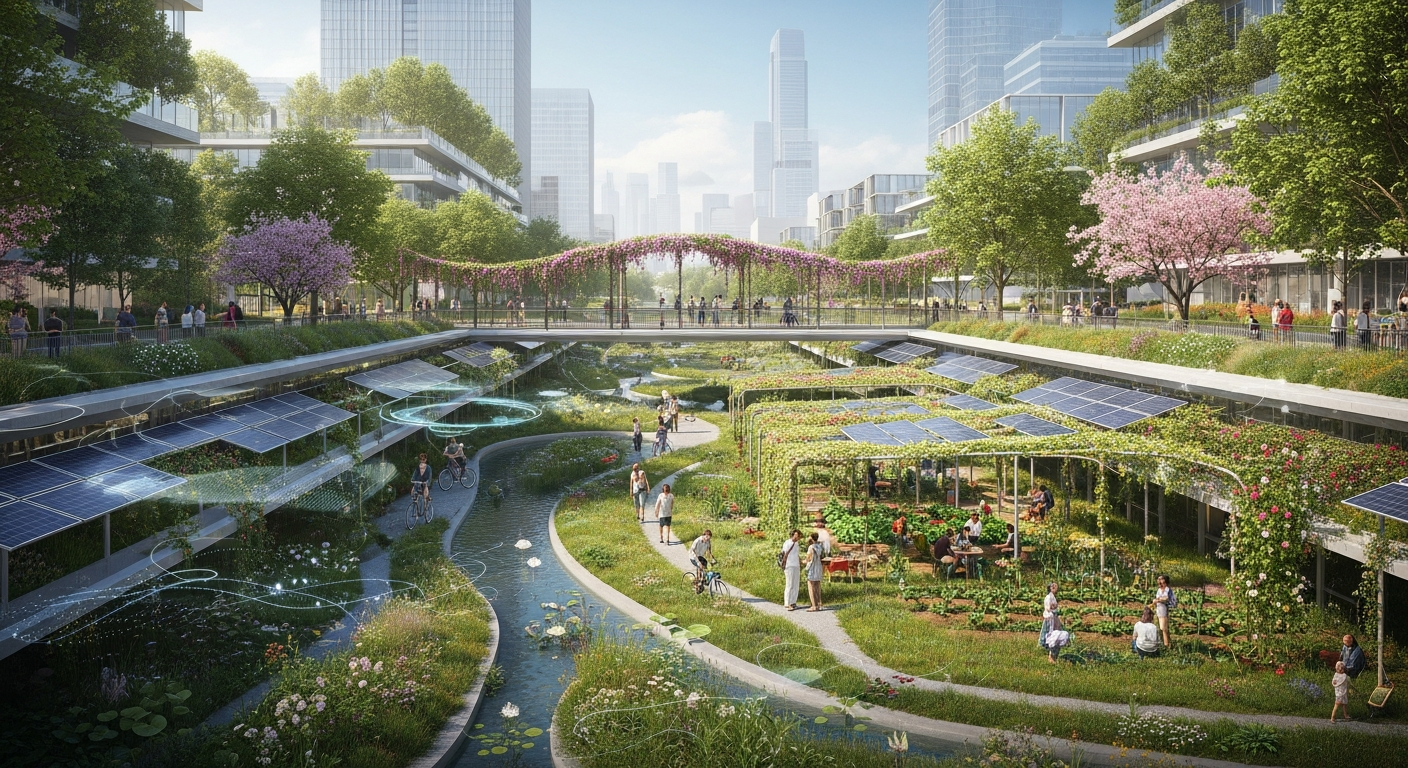
Course Title: Park System Planning and Design for Urban Resilience
Executive Summary
This two-week intensive training on Park System Planning and Design provides urban planners, landscape architects, and municipal leaders with advanced strategies to create resilient, inclusive, and sustainable green networks. Participants will explore the intersection of ecology, recreation, and urban infrastructure, learning to design park systems that enhance biodiversity, mitigate climate change, and improve public health. The curriculum covers the entire planning lifecycle—from site assessment and community engagement to master planning, sustainable landscape design, and long-term maintenance strategies. Through case studies of global best practices and local field analysis, attendees will gain practical skills in Geographic Information Systems (GIS) application, funding mechanisms, and stakeholder management. This course bridges the gap between theoretical landscape architecture and practical municipal governance, ensuring that graduates can champion green spaces that serve diverse populations while delivering measurable environmental benefits for future-ready cities.
Introduction
As rapid urbanization transforms cities worldwide, the role of public green spaces has evolved from mere aesthetic amenities to critical components of urban infrastructure. Well-planned park systems are essential for climate resilience, stormwater management, social equity, and public health. However, creating effective park networks requires more than planting trees; it demands a strategic, systems-based approach that integrates ecology, sociology, and urban design. The Park System Planning and Design course addresses the complex challenges facing modern urban environments. It is designed to equip professionals with the frameworks necessary to develop interconnected green spaces that function as a cohesive system rather than isolated patches. The program moves beyond traditional playground design to explore landscape connectivity, biodiversity corridors, and the socio-economic impact of equitable park access. Drawing on contemporary landscape urbanism theories and practical management techniques, this course emphasizes a multidisciplinary approach. Participants will engage with topics such as Universal Design principles, nature-based solutions for infrastructure, and collaborative planning processes that include marginalized voices. The training integrates technical skills—such as spatial analysis and master planning—with soft skills like community facilitation and policy advocacy. By the end of this two-week program, participants will not only understand the technical requirements of park design but also the strategic policy levers needed to secure funding and political will. They will emerge as visionary leaders capable of transforming urban voids into vibrant, sustainable ecosystems that enhance the quality of life for all citizens.
Course Outcomes
- Master the principles of systemic park planning and landscape connectivity.
- Design inclusive green spaces using Universal Design and safety standards.
- Apply GIS and spatial analysis for optimal site selection and network planning.
- Develop sustainable maintenance strategies and operational management plans.
- Integrate climate resilience and ecosystem services into park infrastructure.
- Facilitate effective community engagement and stakeholder participatory processes.
- Formulate financial models and policy frameworks for park sustainability.
Training Methodologies
- Interactive lectures on landscape architecture and urban planning theory.
- GIS lab sessions and spatial data analysis workshops.
- On-site field visits to successful and problematic park sites.
- Design charrettes and collaborative master planning exercises.
- Case study analysis of global park systems.
- Stakeholder role-playing and negotiation simulations.
- Peer review sessions of individual design concepts.
Benefits to Participants
- Acquisition of cutting-edge skills in green infrastructure planning.
- Enhanced ability to balance ecological needs with recreational demands.
- Proficiency in using data-driven tools for decision-making.
- Certification in advanced park system design and management.
- Network expansion with peers and industry experts.
- Practical toolkit for community consultation and project advocacy.
- Increased capacity to lead large-scale municipal projects.
Benefits to Sending Organization
- Improved quality and sustainability of public space projects.
- Enhanced long-term asset management and maintenance efficiency.
- Better alignment of green space projects with climate goals.
- Increased success rate in securing grant funding and investment.
- Reduction in project risks through better feasibility studies.
- Strengthened community relations through inclusive planning.
- Elevated institutional reputation for environmental stewardship.
Target Participants
- Urban Planners and Municipal Designers.
- Landscape Architects and Horticulturalists.
- Parks and Recreation Directors.
- Environmental Consultants and Ecologists.
- City Engineers and Infrastructure Managers.
- Real Estate Developers and Site Planners.
- Public Health Officials focusing on Urban Health.
WEEK 1: Foundations of Park Planning and Site Analysis
Module 1 – Park Systems and Urban Context
- Definitions and typology of urban park systems.
- Historical evolution of public parks.
- Systems thinking in green infrastructure.
- Analyzing urbanization trends and open space needs.
- Benefits: Economic, environmental, and social.
- Global case studies: From Central Park to Singapore.
- Establishing a vision for park networks.
Module 2 – Site Inventory and Analysis
- Conducting comprehensive site inventories.
- Topography, hydrology, and soil analysis.
- Vegetation assessment and ecological baselines.
- Analyzing microclimates and sun/wind patterns.
- Understanding existing utilities and grey infrastructure.
- SWOT analysis for potential park sites.
- Field exercise: Site assessment techniques.
Module 3 – Community Engagement and Equity
- Identifying stakeholders and user groups.
- Participatory planning and co-design methods.
- Addressing equity and access in park distribution.
- Cultural sensitivity in landscape design.
- Conflict resolution among competing user needs.
- Public consultation workshop facilitation.
- Case study: Community-led park regeneration.
Module 4 – Design Principles and Programming
- Form and function in park layout.
- Zoning for active vs. passive recreation.
- Circulation patterns: Paths, trails, and entrances.
- Universal Design and ADA accessibility standards.
- CPTED (Crime Prevention Through Environmental Design).
- Aesthetics, vistas, and sensory experiences.
- Practical Lab: Developing a functional bubble diagram.
Module 5 – Green Infrastructure and Ecology
- Integrating stormwater management (SUDs).
- Enhancing biodiversity and habitat corridors.
- Selection of native and resilient plant species.
- Mitigating the Urban Heat Island effect.
- Carbon sequestration through landscape design.
- Water conservation and irrigation strategies.
- Designing for climate resilience and adaptation.
WEEK 2: Master Planning, Implementation, and Management
Module 6 – Master Planning and Spatial Design
- Synthesizing analysis into a Master Plan.
- Hardscape vs. Softscape ratios and placement.
- Phasing strategies for large-scale projects.
- Cost estimation and quantity surveying.
- Visualizing designs: Rendering and presentation.
- Navigating municipal approval processes.
- Design Charrette: Drafting a master plan concept.
Module 7 – Facilities, Amenities, and Safety
- Playground safety standards and equipment selection.
- Sports facilities: Courts, fields, and outdoor gyms.
- Park furniture, lighting, and signage systems.
- Restroom facilities and waste management design.
- Designing for night-time use and safety.
- Smart parks: Integrating technology and Wi-Fi.
- Audit exercise: Safety inspection of park amenities.
Module 8 – Operations and Maintenance Strategy
- Developing an Operations & Maintenance (O&M) plan.
- Lifecycle costing of park assets.
- Staffing, equipment, and resource allocation.
- Horticultural standards and pruning schedules.
- Vandalism prevention and rapid response.
- Managing events and temporary uses.
- Sustainability in maintenance practices.
Module 9 – Governance, Finance, and Policy
- Funding models: Grants, bonds, and PPPs.
- Revenue generation within public parks.
- Legal frameworks and liability issues.
- Creating friends groups and conservancies.
- Policy advocacy for green space protection.
- Measuring ROI: Social and economic impact.
- Simulation: Pitching for park funding.
Module 10 – Capstone: Integrated Park Project
- Synthesis of design, policy, and management.
- Developing a strategic implementation matrix.
- Group presentations of capstone park projects.
- Peer and expert critique sessions.
- Future trends in landscape architecture.
- Digital tools for long-term park monitoring.
- Action planning and course certification.
Action Plan for Implementation
- Identify a priority site or network gap within the jurisdiction.
- Conduct a comprehensive site inventory and SWOT analysis.
- Convene a stakeholder group to define the project vision.
- Draft a conceptual master plan integrating ecological services.
- Develop a preliminary capital and operational budget.
- Create a phased implementation timeline with key milestones.
- Establish a monitoring framework to measure utilization and impact.
Course Features
- Lecture 0
- Quiz 0
- Skill level All levels
- Students 0
- Certificate No
- Assessments Self

You May Like

Advanced Population Ecology and Demographics
Course Title: Advanced Population Ecology and Demographics Executive Summary This intensive two-week course on Advanced Population Ecology and Demographics equips participants with advanced quantitative and...

Applied Conservation Genetics for Species Management
Course Title: Applied Conservation Genetics for Species Management Executive Summary This two-week intensive course on Applied Conservation Genetics for Species Management bridges the gap between...

Threatened Species Recovery and Reintroduction Programs
Course Title: Threatened Species Recovery and Reintroduction Programs Executive Summary This intensive two-week course provides a comprehensive framework for designing, implementing, and managing recovery plans...

Landscape Ecology and Connectivity Science Training Course
Course Title: Landscape Ecology and Connectivity Science Training Course Executive Summary This intensive two-week executive course on Landscape Ecology and Connectivity Science is designed to...

Biodiversity Hotspot Conservation and Management
Course Title: Biodiversity Hotspot Conservation and Management Executive Summary This intensive two-week course on Biodiversity Hotspot Conservation and Management equips participants with the knowledge and...




