
Wildlife Photography and Conservation: Visual Storytelling for Ecological Impact
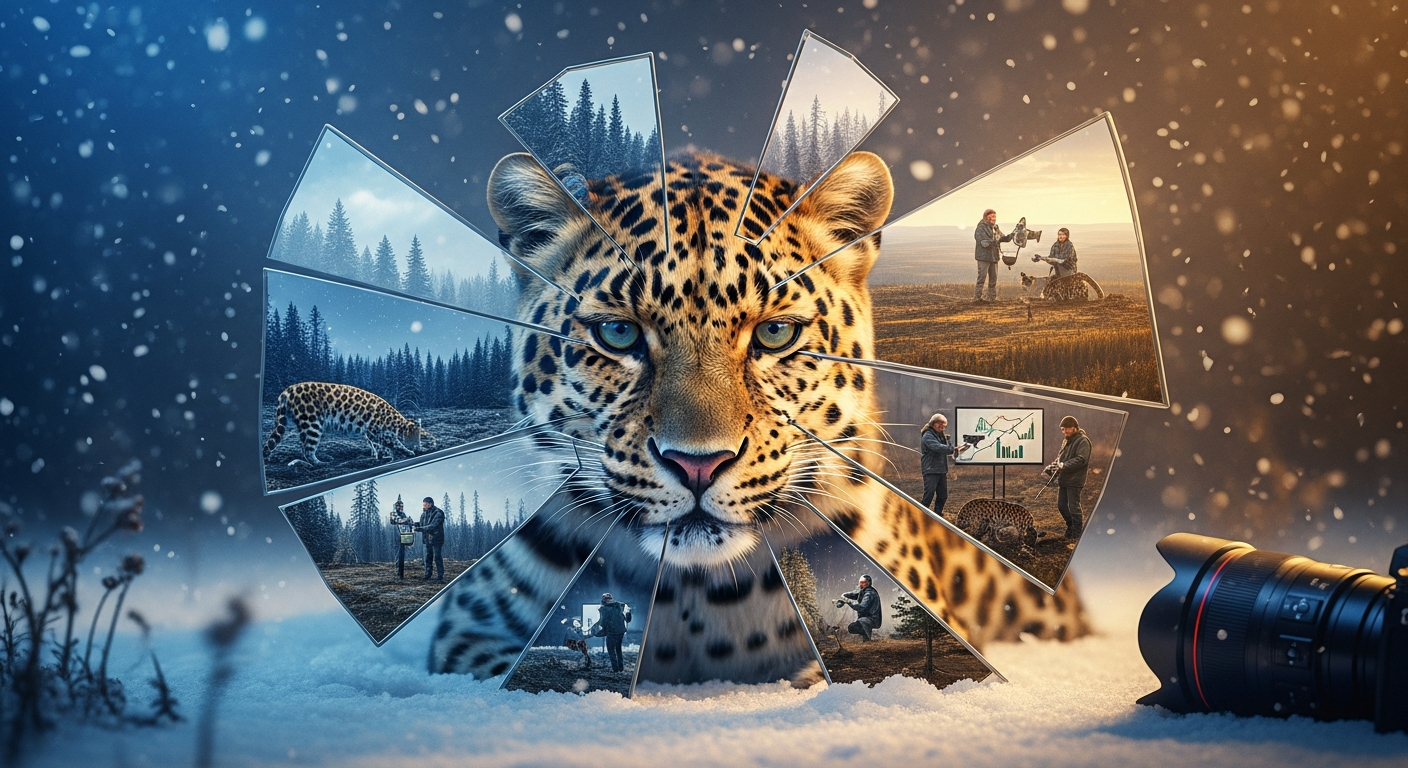
Course Title: Wildlife Photography and Conservation: Visual Storytelling for Ecological Impact
Executive Summary
This comprehensive two-week executive course bridges the critical gap between technical photographic artistry and scientific conservation advocacy. It equips participants with the skills to use visual storytelling as a potent tool for environmental protection, biodiversity awareness, and fundraising. The curriculum integrates advanced camera techniques, fieldcraft, and animal behavior analysis with the ethical frameworks necessary for documenting wildlife without disturbance. Participants will learn to translate ecological data into compelling visual narratives that influence public opinion and policy. Designed for conservationists, media professionals, and researchers, the program emphasizes the ‘camera as a conservation tool,’ covering everything from high-speed shutter mastery to digital asset management. Graduates emerge with a professional-grade portfolio and the strategic capability to produce imagery that supports research, drives donor engagement, and ensures the sustainable preservation of natural ecosystems through powerful visual communication.
Introduction
In an era of accelerating biodiversity loss and climate change, effective communication is crucial for conservation success. Visual imagery transcends language barriers, evoking emotional connections that data alone cannot achieve. However, capturing impactful wildlife images requires more than just artistic flair; it demands a deep understanding of animal behavior, ecological ethics, and the technical mastery to shoot in challenging field conditions. This course, *Wildlife Photography and Conservation*, is designed to empower professionals with the dual skill set of a field biologist and a professional photographer.The program addresses the growing need for high-quality visual content in NGOs, research institutions, and media houses to drive conservation campaigns. Moving beyond recreational photography, we explore how images serve as evidence for scientific studies, assets for ecotourism, and tools for community engagement. Through a blend of classroom theory, post-processing labs, and immersive field expeditions, participants will master the technicalities of exposure, composition, and telephoto lens management while rigorously applying ‘leave no trace’ principles.We delve into the psychological impact of imagery, the legalities of media rights, and the business of conservation photography. Participants will engage in peer reviews and analyze successful global campaigns to understand what makes an image change the world. By the end of the program, participants will possess the confidence to lead visual documentation projects, fostering a discipline where patience meets purpose, and ensuring that every shutter click contributes directly to the broader narrative of saving our planet’s wild heritage.
Course Outcomes
- Master technical camera settings for dynamic and low-light wildlife scenarios.
- Apply ethical fieldcraft and animal behavior knowledge to minimize disturbance.
- Create cohesive visual narratives that support specific conservation campaigns.
- Demonstrate proficiency in post-processing and digital workflow management.
- Utilize photography for scientific data collection and species identification.
- Develop strategies for marketing, licensing, and publishing conservation stories.
- Understand legal, copyright, and permitting frameworks regarding wildlife media.
Training Methodologies
- Interactive technical lectures and gear demonstrations.
- immersive early morning and late afternoon field practicals.
- Critique sessions and portfolio reviews by professional photographers.
- Hands-on post-processing software workshops (Lightroom/Photoshop).
- Case study analysis of successful conservation photography campaigns.
- Peer-to-peer storytelling exercises and group projects.
- Ethics seminars and scenario-based role-playing.
Benefits to Participants
- Achieve advanced technical proficiency with professional photographic equipment.
- Deepen understanding of animal behavior and field safety protocols.
- Create a professional-grade portfolio ready for publication or exhibition.
- Enhance storytelling skills to amplify personal or organizational impact.
- Gain networking opportunities with conservationists and media experts.
- Master digital editing tools to maximize visual impact ethically.
- Receive certification in ethical wildlife photography and fieldcraft.
Benefits to Sending Organization
- Acquire high-quality visual assets for marketing, annual reports, and social media.
- Reduce operational costs by in-housing photography and media production.
- Enhance ability to secure funding through compelling visual grant proposals.
- Improve public engagement and brand visibility in the conservation sector.
- Ensure professional documentation of project milestones and field activities.
- Guarantee ethical compliance in media gathering to protect reputation.
- Strengthen institutional capacity for scientific communication and advocacy.
Target Participants
- Conservation Biologists and Field Researchers.
- Communications Officers for Environmental NGOs.
- Ecotourism Guides and Lodge Managers.
- Freelance Photographers and Photojournalists.
- Park Rangers and Anti-Poaching Unit Media Liaisons.
- Environmental Educators and Outreach Coordinators.
- Government Tourism and Wildlife Officers.
WEEK 1: Technical Mastery, Fieldcraft, and Ethics
Module 1 – Camera Fundamentals and Gear Optimization
- Deconstructing the exposure triangle: ISO, Aperture, Shutter Speed.
- Understanding camera bodies: Sensor size, burst rates, and buffers.
- Lens selection: Telephoto vs. wide-angle for environmental portraits.
- Focus modes and tracking techniques for moving subjects.
- Customizing camera buttons for rapid field response.
- Shooting in RAW vs. JPEG: Benefits and storage implications.
- Essential accessories: Tripods, beanbags, and filters.
Module 2 – Fieldcraft, Safety, and Ethics
- The principles of ethical wildlife photography.
- Reading animal behavior: Signs of stress and aggression.
- Safe approach distances and vehicle positioning.
- The ethics of baiting, calling, and habitat manipulation.
- Camouflage, blinds, and low-impact stalking techniques.
- Personal safety in the field: Snakes, terrain, and predators.
- Case study: The consequences of unethical photography.
Module 3 – Composition and Artistic Vision
- The Rule of Thirds and the Golden Ratio in nature.
- Using negative space to convey isolation or scale.
- Eye-level perspectives: Getting down and dirty.
- Framing and leading lines in chaotic environments.
- Understanding light: Golden hour, blue hour, and harsh midday.
- Creative techniques: Silhouettes, rim lighting, and high-key.
- Field exercise: Breaking the rules for artistic impact.
Module 4 – Action and Behavior Documentation
- Freezing motion: High shutter speeds for birds in flight.
- Panning techniques: Conveying speed through motion blur.
- Anticipating behavior: Knowing when the action will happen.
- Capturing interaction: Predation, mating, and social bonding.
- Storytelling through action: The ‘decisive moment’.
- Continuous autofocus settings and zone focusing.
- Practical lab: Simulating high-speed tracking.
Module 5 – Macro and Environmental Details
- The world of the small: Macro lenses and extension tubes.
- Lighting for macro: Ring flashes and diffusers.
- Depth of field challenges in close-up photography.
- Focus stacking techniques for maximum sharpness.
- Photographing textures, tracks, and botanical details.
- Abstract nature photography: Patterns and colors.
- Review of Week 1: Image critique and selection session.
WEEK 2: Narrative Building, Post-Processing, and Application
Module 6 – Digital Workflow and Asset Management
- Importing and organizing images efficiently.
- Metadata application: Copyright, keywords, and captions.
- The culling process: Rating and selecting keepers quickly.
- Backup strategies: The 3-2-1 rule for data safety.
- Cloud storage vs. physical hard drive solutions.
- Building a searchable image archive for organizations.
- Introduction to Digital Asset Management (DAM) software.
Module 7 – Post-Processing for Conservation
- Lightroom/Camera RAW basics: Exposure and color correction.
- Noise reduction and sharpening for high-ISO images.
- Local adjustments: Dodging, burning, and subject masking.
- Ethical editing: Where to draw the line in journalism.
- Color grading to set the mood of a narrative.
- Preparing images for different media: Web, print, and projection.
- Lab session: Editing student images from Week 1.
Module 8 – Visual Storytelling and Photo Essays
- Moving beyond the single image: Creating a series.
- The anatomy of a photo essay: Establishing, detail, and portrait shots.
- Sequencing images for emotional impact and flow.
- Writing compelling captions and accompanying text.
- Documenting the ‘human element’ in conservation.
- Conflict vs. Coexistence: Visualizing complex issues.
- Group project: Storyboarding a conservation narrative.
Module 9 – Conservation Applications and Citizen Science
- Using photography for species identification and monitoring.
- contributing to citizen science platforms (e.g., iNaturalist).
- Creating imagery for fundraising and donor reports.
- Working with researchers: Protocols for scientific documentation.
- Time-lapse photography for environmental change monitoring.
- Drone photography: Aerial surveys and landscape context.
- Case study: Photography in anti-poaching operations.
Module 10 – The Business and Law of Wildlife Media
- Copyright law, licensing, and protecting your work.
- Pitching stories to magazines, editors, and NGOs.
- Social media strategies for conservation influencers.
- Pricing your work and understanding usage rights.
- Organizing exhibitions and public talks.
- Future trends in conservation media.
- Final Capstone: Presentation of student portfolios and narratives.
Action Plan for Implementation
- Conduct a comprehensive audit of current organizational image libraries and needs.
- Select a specific conservation project to document visually over the next three months.
- Acquire or upgrade necessary photographic equipment and post-processing software.
- Establish a centralized Digital Asset Management system for secure archiving.
- Produce a visual report, blog series, or exhibition to raise awareness or funds.
- Mentor internal staff on basic documentation techniques and ethical guidelines.
- Review visual impact metrics (social engagement, donations) six months post-course.
Course Features
- Lecture 0
- Quiz 0
- Skill level All levels
- Students 0
- Certificate No
- Assessments Self

You May Like

Advanced Population Ecology and Demographics
Course Title: Advanced Population Ecology and Demographics Executive Summary This intensive two-week course on Advanced Population Ecology and Demographics equips participants with advanced quantitative and...

Applied Conservation Genetics for Species Management
Course Title: Applied Conservation Genetics for Species Management Executive Summary This two-week intensive course on Applied Conservation Genetics for Species Management bridges the gap between...

Threatened Species Recovery and Reintroduction Programs
Course Title: Threatened Species Recovery and Reintroduction Programs Executive Summary This intensive two-week course provides a comprehensive framework for designing, implementing, and managing recovery plans...

Landscape Ecology and Connectivity Science Training Course
Course Title: Landscape Ecology and Connectivity Science Training Course Executive Summary This intensive two-week executive course on Landscape Ecology and Connectivity Science is designed to...

Biodiversity Hotspot Conservation and Management
Course Title: Biodiversity Hotspot Conservation and Management Executive Summary This intensive two-week course on Biodiversity Hotspot Conservation and Management equips participants with the knowledge and...




