
Management and Sustainability of Community-Based Wildlife Sanctuaries
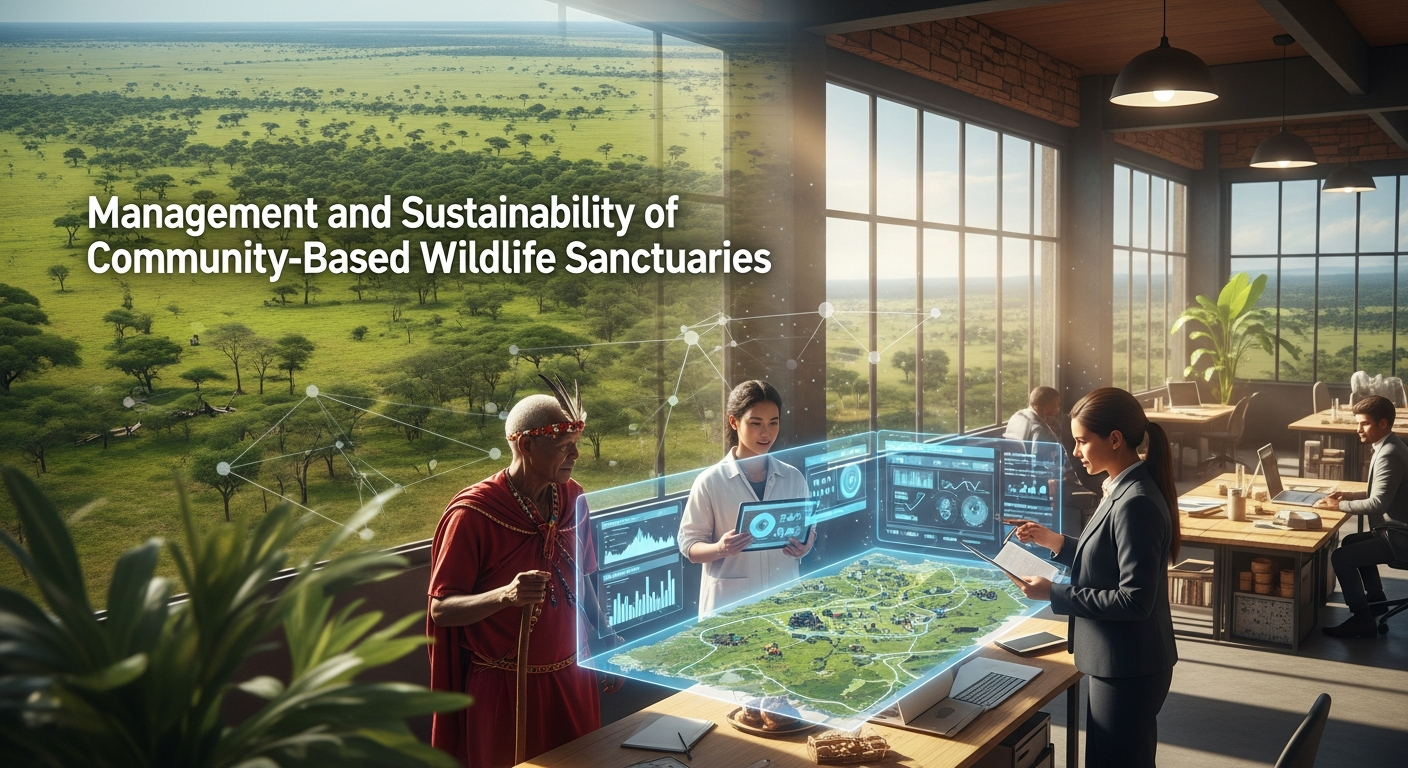
Course Title: Management and Sustainability of Community-Based Wildlife Sanctuaries
Executive Summary
This intensive two-week course on Community-Based Wildlife Sanctuaries is designed to equip conservation professionals and community leaders with the strategies necessary to manage biodiversity while empowering local populations. As conservation paradigms shift toward inclusive models, the ability to balance ecological integrity with socio-economic development is paramount. The program covers the full lifecycle of sanctuary management, from establishing legal governance frameworks to developing eco-tourism and sustainable value chains. Participants will engage in conflict resolution simulations, ecological monitoring workshops, and financial planning exercises. The course emphasizes that for a sanctuary to be sustainable, it must be economically viable for the community and ecologically robust for wildlife. Graduates will emerge with the skills to mitigate human-wildlife conflict, attract ethical investment, and lead community-driven conservation initiatives that ensure long-term resilience for both nature and people.
Introduction
The global conservation landscape is increasingly recognizing that the protection of biodiversity cannot succeed in isolation from human communities. Community-Based Wildlife Sanctuaries offer a powerful solution, transforming local residents from passive observers into active custodians and beneficiaries of their natural resources. However, the successful implementation of these sanctuaries requires a sophisticated skill set that bridges biological science, social engineering, and business acumen.This training course offers a holistic approach to managing community conservancies. It is designed for professionals tasked with navigating the complexities of land rights, resource governance, and the often-difficult interface between wildlife and human settlements. Participants will explore how to build robust institutions that ensure equitable benefit sharing, thereby incentivizing conservation compliance. The curriculum moves beyond theory, incorporating practical modules on anti-poaching technology, habitat restoration, and the development of alternative livelihoods such as eco-tourism and carbon markets.Drawing on successful case studies from Africa, Asia, and Latin America, the course utilizes a systems-thinking approach. It addresses critical challenges such as human-wildlife conflict (HWC) and climate change adaptation. By fostering peer-to-peer learning and utilizing expert-led simulations, the program ensures that participants can return to their organizations with actionable strategies to create sanctuaries that are biologically diverse, socially inclusive, and financially self-sufficient.
Course Outcomes
- Design participatory governance structures ensuring equitable benefit sharing.
- Develop sustainable revenue streams through eco-tourism and green enterprises.
- Implement effective Human-Wildlife Conflict (HWC) mitigation strategies.
- Conduct scientific biodiversity monitoring and habitat health assessments.
- Navigate legal frameworks regarding land tenure and community rights.
- Facilitate complex stakeholder negotiations and conflict resolution.
- Create comprehensive, long-term sanctuary management and business plans.
Training Methodologies
- Interactive expert-led lectures on conservation biology.
- Participatory Rural Appraisal (PRA) field exercises.
- Case study analysis of global conservancy models.
- Role-playing simulations for conflict negotiation.
- Business model canvas workshops for eco-enterprises.
- Field labs on ecological surveying and tracking.
- Action plan development with peer critique.
Benefits to Participants
- Mastery of community engagement and mobilization techniques.
- Enhanced technical skills in ecological data collection.
- Capacity to design and manage donor-funded projects.
- Improved leadership in multi-stakeholder environments.
- Practical knowledge of wildlife law and enforcement.
- Access to a global network of conservation professionals.
- Certification in Community-Based Natural Resource Management.
Benefits to Sending Organization
- Increased project sustainability through community ownership.
- Reduction in poaching and illegal wildlife trade incidents.
- Diversified organizational revenue through enterprise development.
- Improved compliance with international environmental standards.
- Enhanced reputation for social responsibility and inclusivity.
- Strengthened relationships with local government and communities.
- Greater efficiency in resource allocation and management.
Target Participants
- Wildlife Wardens and Conservation Area Managers.
- Community Development Liaison Officers.
- NGO Program Managers in Conservation.
- Eco-tourism Entrepreneurs and Operators.
- Local Government Planners and Policymakers.
- Environmental Impact Assessment Specialists.
- Senior Rangers and Anti-Poaching Coordinators.
WEEK 1: Governance, Ecology, and Community Engagement
Module 1: Foundations of Community Conservation
- History and evolution of CBNRM models.
- Legal frameworks and land tenure systems.
- Defining sanctuary boundaries and zoning.
- Stakeholder mapping and analysis.
- Integrating traditional knowledge with science.
- The role of gender in conservation.
- Case study: Successful conservancies in the region.
Module 2: Governance and Institutional Building
- Drafting sanctuary constitutions and bylaws.
- Democratic election of management committees.
- Mechanisms for transparency and accountability.
- Designing equitable benefit-sharing models.
- Financial oversight and corruption prevention.
- Enforcing community regulations.
- Simulation: Holding a General Assembly meeting.
Module 3: Ecological Monitoring and Habitat Management
- Establishing ecological baselines.
- Carrying capacity and grazing management.
- Invasive species control techniques.
- Water resource management for wildlife.
- Climate change resilience strategies.
- Citizen science and community data collection.
- Field lab: Conducting transect surveys.
Module 4: Human-Wildlife Conflict (HWC) Management
- Root causes and drivers of HWC.
- Non-lethal mitigation tools (fencing, lights).
- Designing compensation and insurance schemes.
- Establishing rapid response units.
- Community education and awareness programs.
- Land-use planning to minimize conflict.
- Workshop: developing an HWC response protocol.
Module 5: Security and Anti-Poaching Strategies
- Community scout recruitment and training.
- Intelligence gathering and informant networks.
- Use of technology (GPS, drones, camera traps).
- Collaboration with state law enforcement.
- Human rights standards in enforcement.
- Chain of custody and evidence handling.
- Risk assessment and patrol planning.
WEEK 2: Sustainability, Enterprise, and Strategic Planning
Module 6: Sustainable Livelihoods and Eco-Tourism
- Understanding the eco-tourism value chain.
- Hospitality standards and visitor management.
- Marketing community sanctuaries globally.
- Alternative livelihoods (beekeeping, crafts, carbon).
- Joint Venture partnerships with private sector.
- Revenue management and reinvestment.
- Case study: Community-owned lodges.
Module 7: Financial Management and Fundraising
- Operational budgeting for sanctuaries.
- Grant writing and donor relationship management.
- Financial reporting and auditing requirements.
- Trust funds and endowment creation.
- Payment for Ecosystem Services (PES) models.
- Diversifying income sources beyond tourism.
- Practical exercise: Drafting a funding proposal.
Module 8: Conflict Resolution and Negotiation
- Principles of mediation in resource disputes.
- Negotiating with private investors and government.
- Managing internal community conflicts.
- Establishing grievance redress mechanisms.
- Communication strategies for crisis management.
- Building trust and social capital.
- Role-play: Negotiating a land-use agreement.
Module 9: Monitoring, Evaluation, and Learning (MEL)
- Defining social and ecological KPIs.
- Participatory M&E methods.
- Data analysis for adaptive management.
- Reporting impact to stakeholders and donors.
- Using digital tools for data management.
- Learning from failure and success.
- Lab: Designing an M&E dashboard.
Module 10: Strategic Consolidation and Future Planning
- SWOT analysis of the sanctuary context.
- Visioning exercises for the next 10 years.
- Scaling up: Networks and conservancy associations.
- Policy advocacy and influencing legislation.
- Succession planning for leadership.
- Finalizing the Sanctuary Management Plan.
- Capstone presentation: 5-Year Strategic Roadmap.
Action Plan for Implementation
- Conduct a comprehensive situational analysis of the target sanctuary.
- Convene a community stakeholder meeting to validate vision and goals.
- Draft or revise the sanctuary governance constitution and bylaws.
- Implement a pilot Human-Wildlife Conflict mitigation project.
- Develop a 12-month business and marketing plan for revenue generation.
- Establish a quarterly ecological monitoring and reporting schedule.
- Review progress after 6 months and adjust strategies based on data.
Course Features
- Lecture 0
- Quiz 0
- Skill level All levels
- Students 0
- Certificate No
- Assessments Self

You May Like

Advanced Population Ecology and Demographics
Course Title: Advanced Population Ecology and Demographics Executive Summary This intensive two-week course on Advanced Population Ecology and Demographics equips participants with advanced quantitative and...

Applied Conservation Genetics for Species Management
Course Title: Applied Conservation Genetics for Species Management Executive Summary This two-week intensive course on Applied Conservation Genetics for Species Management bridges the gap between...

Threatened Species Recovery and Reintroduction Programs
Course Title: Threatened Species Recovery and Reintroduction Programs Executive Summary This intensive two-week course provides a comprehensive framework for designing, implementing, and managing recovery plans...

Landscape Ecology and Connectivity Science Training Course
Course Title: Landscape Ecology and Connectivity Science Training Course Executive Summary This intensive two-week executive course on Landscape Ecology and Connectivity Science is designed to...

Biodiversity Hotspot Conservation and Management
Course Title: Biodiversity Hotspot Conservation and Management Executive Summary This intensive two-week course on Biodiversity Hotspot Conservation and Management equips participants with the knowledge and...




