
Leading Stakeholder Engagement in Renewable Energy
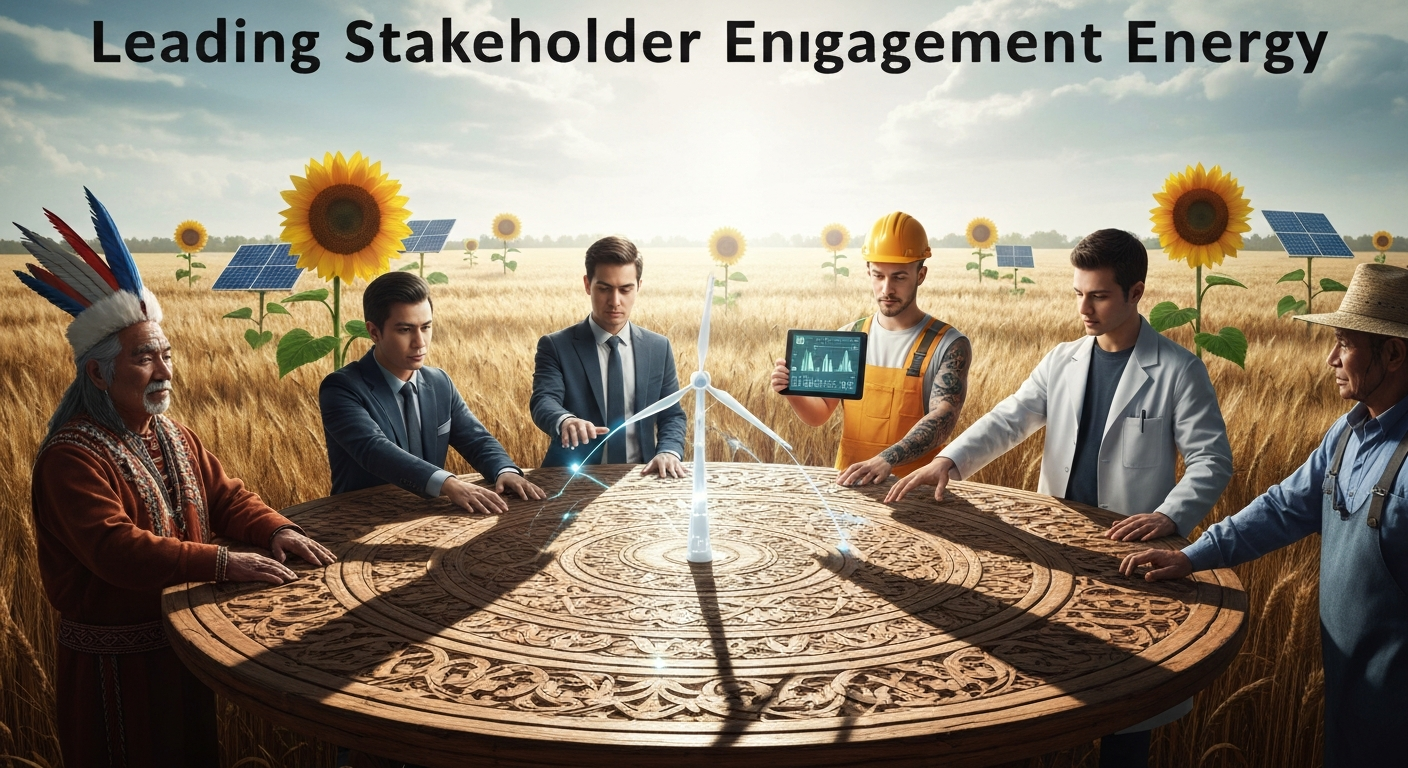
Course Title: Leading Stakeholder Engagement in Renewable Energy
Executive Summary
This two-week course on Leading Stakeholder Engagement in Renewable Energy equips participants with the skills to navigate the complex landscape of renewable energy projects. It covers effective communication, conflict resolution, and inclusive decision-making. Participants will learn to identify, analyze, and engage diverse stakeholder groups, from local communities to government agencies and investors. The course explores best practices for building trust, addressing concerns, and fostering collaborative partnerships. Through case studies, simulations, and practical exercises, participants will develop strategies to overcome stakeholder-related challenges and ensure the successful and sustainable implementation of renewable energy initiatives. Graduates will be able to design and implement comprehensive stakeholder engagement plans that promote project acceptance and long-term community benefits.
Introduction
Renewable energy projects are crucial for a sustainable future, but their success hinges on effective stakeholder engagement. Projects can be delayed or even cancelled due to community opposition, regulatory hurdles, or lack of investor confidence. This course addresses these challenges by providing participants with the knowledge and tools to build strong, collaborative relationships with all stakeholders. It emphasizes the importance of transparency, inclusivity, and responsiveness in the engagement process. Participants will learn how to communicate technical information in a clear and accessible way, address concerns proactively, and facilitate meaningful dialogue. The course also covers the legal and regulatory frameworks governing stakeholder engagement in the renewable energy sector. By fostering a culture of collaboration and mutual understanding, this course aims to empower participants to lead successful and sustainable renewable energy projects that benefit both the environment and local communities.
Course Outcomes
- Identify and analyze key stakeholders in renewable energy projects.
- Develop and implement effective stakeholder engagement plans.
- Communicate technical information clearly and accessibly to diverse audiences.
- Address stakeholder concerns and mitigate potential conflicts.
- Build trust and foster collaborative partnerships with stakeholders.
- Navigate the legal and regulatory frameworks governing stakeholder engagement.
- Lead inclusive decision-making processes that incorporate stakeholder input.
Training Methodologies
- Interactive expert-led lectures and presentations.
- Case study analysis of successful and unsuccessful renewable energy projects.
- Group discussions and brainstorming sessions.
- Practical simulations and role-playing exercises.
- Stakeholder mapping and analysis workshops.
- Guest speakers from the renewable energy industry and community organizations.
- Development of individual stakeholder engagement plans.
Benefits to Participants
- Enhanced skills in stakeholder identification, analysis, and engagement.
- Improved communication and conflict resolution abilities.
- Increased knowledge of legal and regulatory frameworks.
- Expanded network of contacts in the renewable energy sector.
- Greater confidence in leading stakeholder engagement processes.
- Ability to develop and implement effective engagement plans.
- Certification recognizing competence in stakeholder engagement for renewable energy.
Benefits to Sending Organization
- Reduced risk of project delays or cancellations due to stakeholder opposition.
- Improved relationships with local communities and government agencies.
- Enhanced reputation and credibility in the renewable energy sector.
- Increased investor confidence in renewable energy projects.
- More efficient and sustainable project implementation.
- Strengthened internal capacity for stakeholder engagement.
- Alignment with best practices in corporate social responsibility.
Target Participants
- Renewable energy project developers and managers.
- Community relations officers.
- Government regulators and policymakers.
- Environmental consultants.
- Sustainability managers.
- Investment professionals in renewable energy.
- Representatives from community organizations and NGOs.
Week 1: Foundations of Stakeholder Engagement in Renewable Energy
Module 1: Introduction to Stakeholder Engagement
- Defining stakeholders and their roles in renewable energy projects.
- The importance of stakeholder engagement for project success.
- Ethical considerations in stakeholder engagement.
- Overview of the stakeholder engagement process.
- Identifying key stakeholder groups for renewable energy projects.
- Understanding stakeholder perspectives and priorities.
- Case study: Stakeholder engagement in a wind farm development.
Module 2: Stakeholder Mapping and Analysis
- Techniques for identifying and mapping stakeholders.
- Assessing stakeholder influence and power.
- Analyzing stakeholder interests and concerns.
- Prioritizing stakeholders for engagement.
- Using stakeholder analysis to inform engagement strategies.
- Developing stakeholder profiles.
- Workshop: Stakeholder mapping exercise for a solar energy project.
Module 3: Communication Strategies for Stakeholder Engagement
- Principles of effective communication.
- Tailoring communication to different stakeholder groups.
- Developing clear and concise messaging.
- Using various communication channels (e.g., meetings, newsletters, social media).
- Addressing misinformation and rumors.
- Building trust through transparency and open communication.
- Role-playing: Communicating about a proposed geothermal project.
Module 4: Conflict Resolution and Negotiation
- Understanding the sources of conflict in renewable energy projects.
- Strategies for preventing and managing conflicts.
- Negotiation techniques for reaching mutually beneficial agreements.
- Mediation and facilitation skills.
- Working with diverse cultural perspectives.
- Building consensus and finding common ground.
- Case study: Resolving a dispute over a hydropower project.
Module 5: Legal and Regulatory Frameworks
- Overview of relevant environmental regulations.
- Permitting and licensing requirements.
- Community consultation requirements.
- Land use regulations and zoning laws.
- Indigenous rights and consultation.
- International standards for stakeholder engagement.
- Guest speaker: Environmental lawyer specializing in renewable energy.
Week 2: Implementing and Evaluating Stakeholder Engagement
Module 6: Developing a Stakeholder Engagement Plan
- Setting goals and objectives for stakeholder engagement.
- Identifying target stakeholder groups.
- Defining engagement activities and timelines.
- Allocating resources for stakeholder engagement.
- Developing a communication plan.
- Establishing monitoring and evaluation mechanisms.
- Workshop: Developing a stakeholder engagement plan for a biogas project.
Module 7: Engaging with Local Communities
- Building relationships with community leaders.
- Understanding local cultures and customs.
- Addressing community concerns about environmental impacts.
- Providing benefits to local communities (e.g., jobs, infrastructure).
- Supporting community development initiatives.
- Promoting local ownership of renewable energy projects.
- Case study: Community engagement in a solar park project.
Module 8: Engaging with Government Agencies
- Building relationships with regulators and policymakers.
- Understanding government priorities and objectives.
- Providing clear and accurate information to government agencies.
- Participating in regulatory processes.
- Advocating for supportive policies.
- Collaborating on research and development.
- Role-playing: Presenting a renewable energy project proposal to government officials.
Module 9: Engaging with Investors and Financiers
- Understanding investor expectations and requirements.
- Communicating the benefits of stakeholder engagement to investors.
- Demonstrating social and environmental responsibility.
- Providing transparent and accurate information about project risks.
- Building trust with investors through open communication.
- Attracting responsible investment in renewable energy projects.
- Case study: Securing financing for a renewable energy project through effective stakeholder engagement.
Module 10: Monitoring, Evaluation, and Reporting
- Developing indicators for measuring stakeholder engagement outcomes.
- Collecting data on stakeholder engagement activities.
- Analyzing data to assess the effectiveness of engagement strategies.
- Reporting on stakeholder engagement progress to stakeholders.
- Using feedback to improve stakeholder engagement processes.
- Documenting lessons learned for future projects.
- Final presentations: Stakeholder engagement plan presentations and peer review.
Action Plan for Implementation
- Identify a specific renewable energy project or initiative.
- Conduct a comprehensive stakeholder analysis for the project.
- Develop a detailed stakeholder engagement plan.
- Implement the engagement plan, monitoring progress regularly.
- Evaluate the effectiveness of the engagement activities.
- Document lessons learned and share them with colleagues.
- Continuously improve stakeholder engagement processes based on feedback and experience.
Course Features
- Lecture 0
- Quiz 0
- Skill level All levels
- Students 0
- Certificate No
- Assessments Self

You May Like

Advanced Population Ecology and Demographics
Course Title: Advanced Population Ecology and Demographics Executive Summary This intensive two-week course on Advanced Population Ecology and Demographics equips participants with advanced quantitative and...

Applied Conservation Genetics for Species Management
Course Title: Applied Conservation Genetics for Species Management Executive Summary This two-week intensive course on Applied Conservation Genetics for Species Management bridges the gap between...

Threatened Species Recovery and Reintroduction Programs
Course Title: Threatened Species Recovery and Reintroduction Programs Executive Summary This intensive two-week course provides a comprehensive framework for designing, implementing, and managing recovery plans...

Landscape Ecology and Connectivity Science Training Course
Course Title: Landscape Ecology and Connectivity Science Training Course Executive Summary This intensive two-week executive course on Landscape Ecology and Connectivity Science is designed to...

Biodiversity Hotspot Conservation and Management
Course Title: Biodiversity Hotspot Conservation and Management Executive Summary This intensive two-week course on Biodiversity Hotspot Conservation and Management equips participants with the knowledge and...




